 Vietnamese
 English




In the Early Childhood Education training program at colleges, the Dance course is not only an artistic subject but also an essential preparation step for students on their journey to becoming dynamic, creative, and confident preschool teachers.
Developing Professional Demeanor – Nurturing Emotions
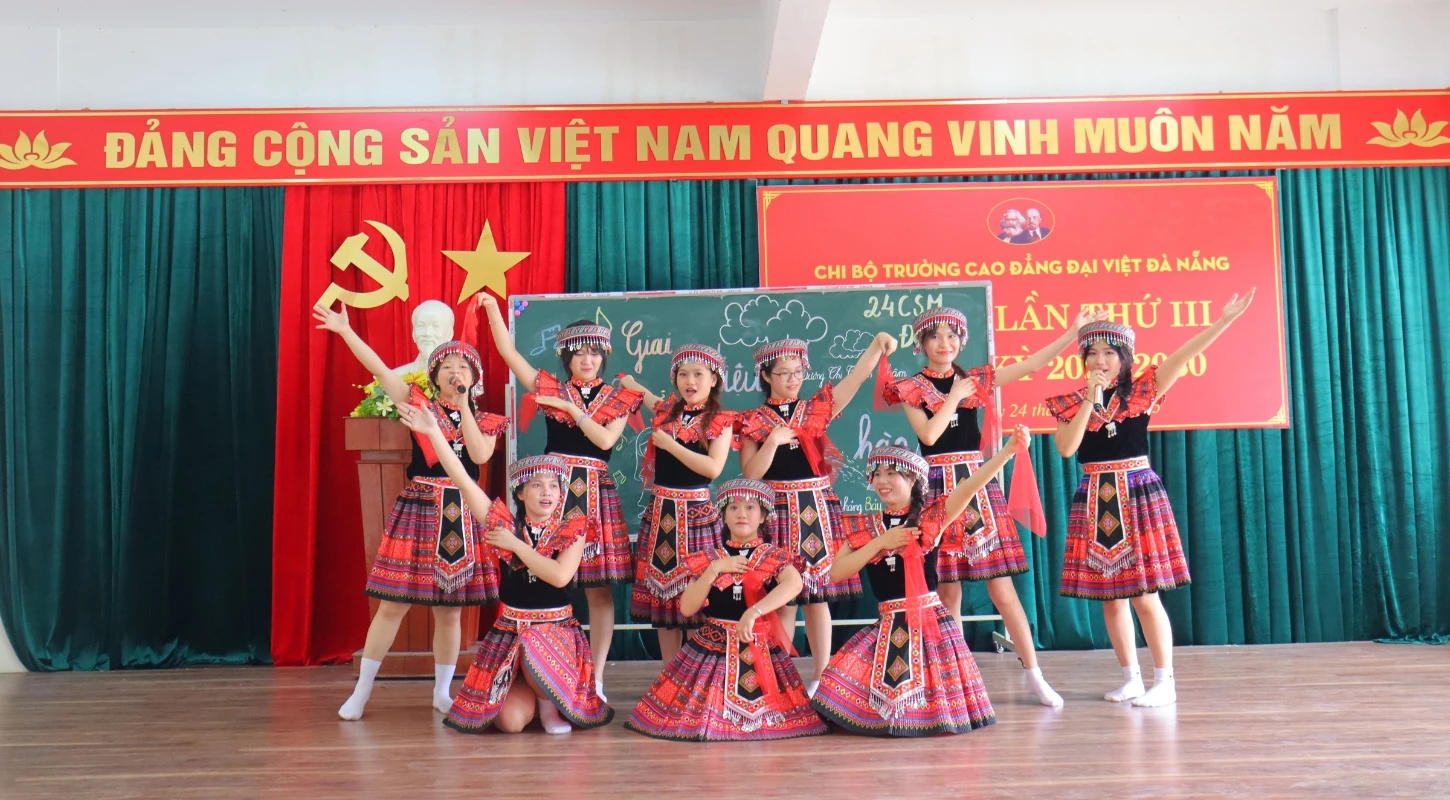
Through basic movement exercises and themed dance routines, students develop flexibility, grace, and the ability to express emotions through body language.
From initial hesitation, they gradually become more confident, learn to control their movements, and build a professional teaching presence – an essential quality when working with young children.
Learning for Practical Application
A key highlight of the Dance course in the college-level training program is its strong emphasis on practice. Students not only learn dance techniques but are also guided to:
Choreograph dances suitable for preschool children
Organize movement activities to music
Prepare performances for school events and celebrations
Each lesson is connected to practical questions: How can children easily perform this? How can we ensure safety while keeping the activity engaging?
Students practice Dance and Dance Teaching Methodology
Teaching Methods Linked to Professional Practice
Lecturers demonstrate movements, analyze rhythm and structure, and provide direct corrections to students. In addition, students practice teaching demonstrations and develop lesson plans for dance activities as they would in real preschool classrooms.
The Dance course helps students:
Enhance aesthetic awareness
Strengthen their ability to organize educational activities
Build confidence and professional demeanor
Be fully prepared to meet job requirements after graduation
With a training philosophy focused on practical skills and professional standards, colleges place strong emphasis on the comprehensive development of Early Childhood Education students—ensuring that future teachers are not only professionally competent but also emotionally expressive and creative in every activity with children.