 Vietnamese
 English



Fostering Independence Skills in Preschoolers: The Golden Key to the Future
"Never do for a child what they can do for themselves" — this is a core principle in modern early childhood education. Cultivating independence from an early age not only boosts children's confidence but also builds a solid foundation for proactive thinking as they advance to higher levels of education.
1. Why teach preschoolers independence?
The ages of 3 to 6 represent a critical period for children to establish daily habits. Overprotecting children inadvertently deprives them of the opportunity to grow. Conversely, children who are taught to be independent will become:
- More Confident: They believe in their own abilities when completing a task independently.
- Proactive Thinkers: They learn how to manage and resolve small everyday problems on their own.
- Highly Adaptable: They adjust quickly to group environments at school.
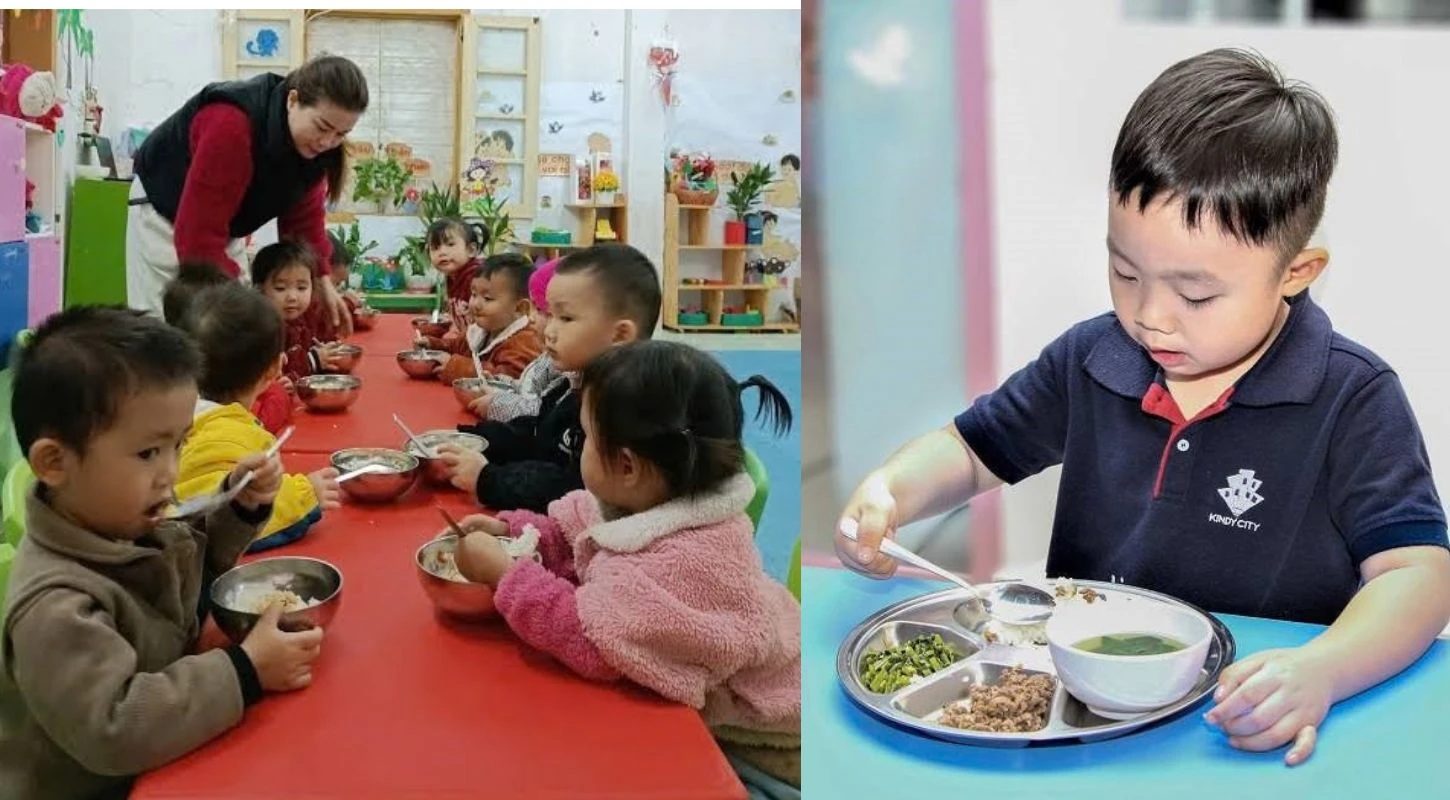
2. Core Independence Skill Groups for Preschoolers
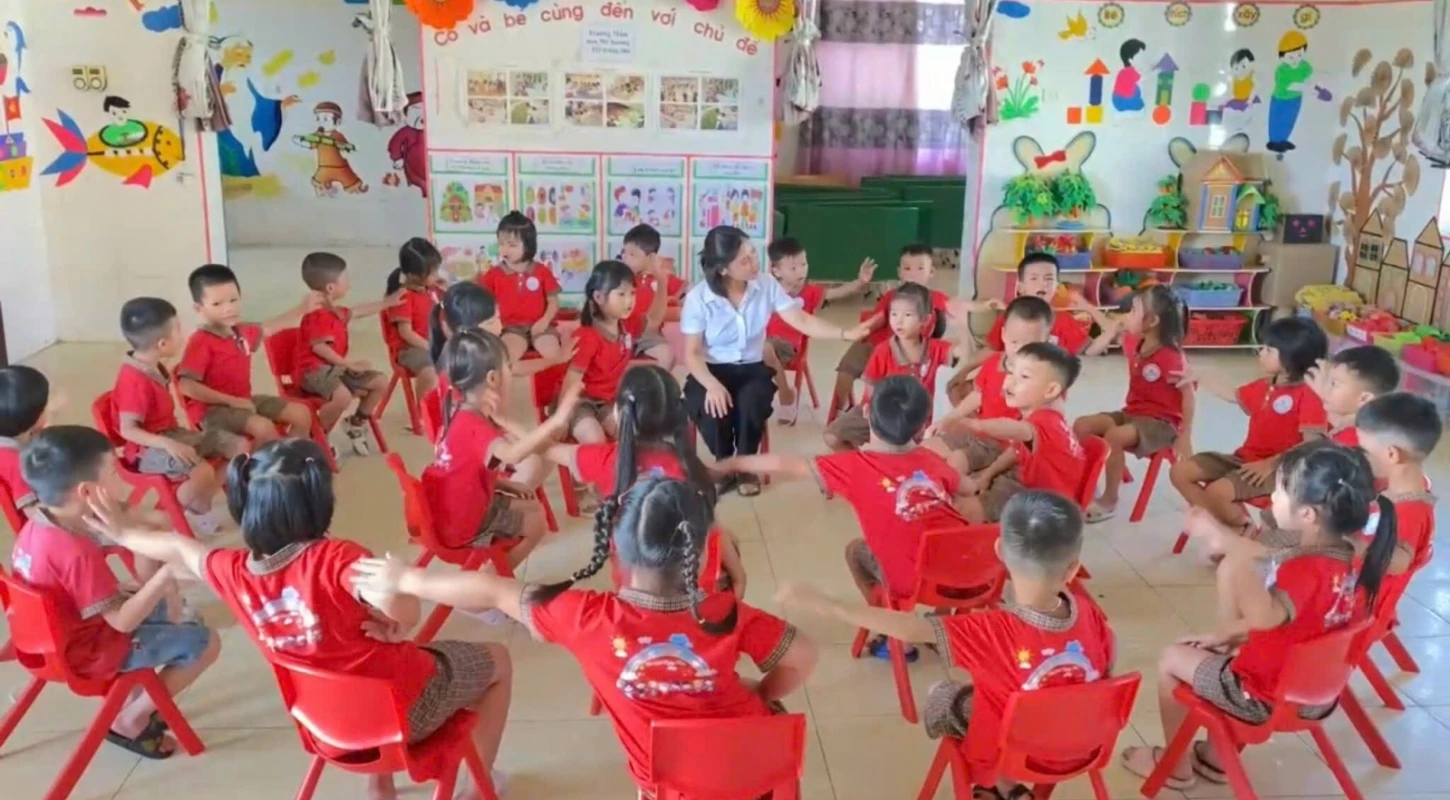
In preschool, children are guided through age-appropriate skills ranging from basic to advanced:
- Self-Care Skills: Self-feeding, dressing themselves, putting on shoes, and using the restroom independently.
- Personal Hygiene Maintenance: Washing hands before meals, brushing teeth, wiping their face, and throwing away trash in designated bins.
- Managing Personal Belongings: Putting backpacks in lockers, tidying up toys after playtime, and preparing learning materials.
- Helping Others: Wiping dining tables, handing out spoons to classmates, watering plants, or helping the teacher arrange tables and chairs.
3. Tips for Home-School Coordination
To achieve the highest effectiveness, consistency between teachers' methods at school and parents' approach at home is the decisive factor:
- Patience and Encouragement: Accept that children may work slowly or make mistakes on their first attempts. Avoid being impatient and doing things for them.
- Specific Praise: Instead of saying "Good job," offer praise like "I'm proud of you for neatly putting away your shoes."
- Creating Consistent Habits: Whatever children have learned to do independently at school (such as self-feeding or putting away toys), parents should continue to encourage them to do at home.
Early Childhood Education – Empowering Children's Independence
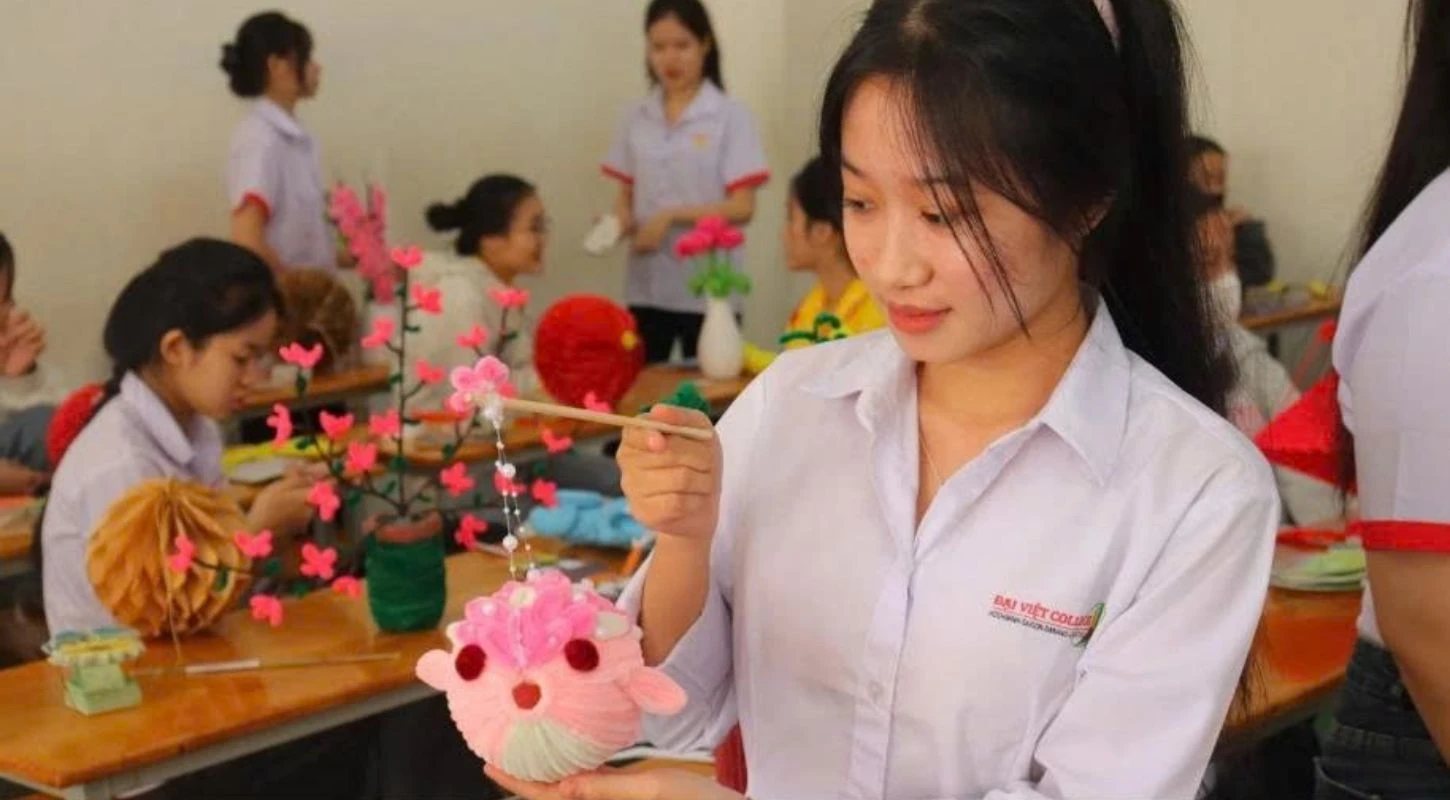
At Dai Viet Da Nang College, we always place children at the center. The Early Childhood Education curriculum is designed with hands-on experiential activities, equipping students with modern pedagogical methods to guide children step-by-step toward mastering their own lives with joy and confidence.