 Vietnamese
 English


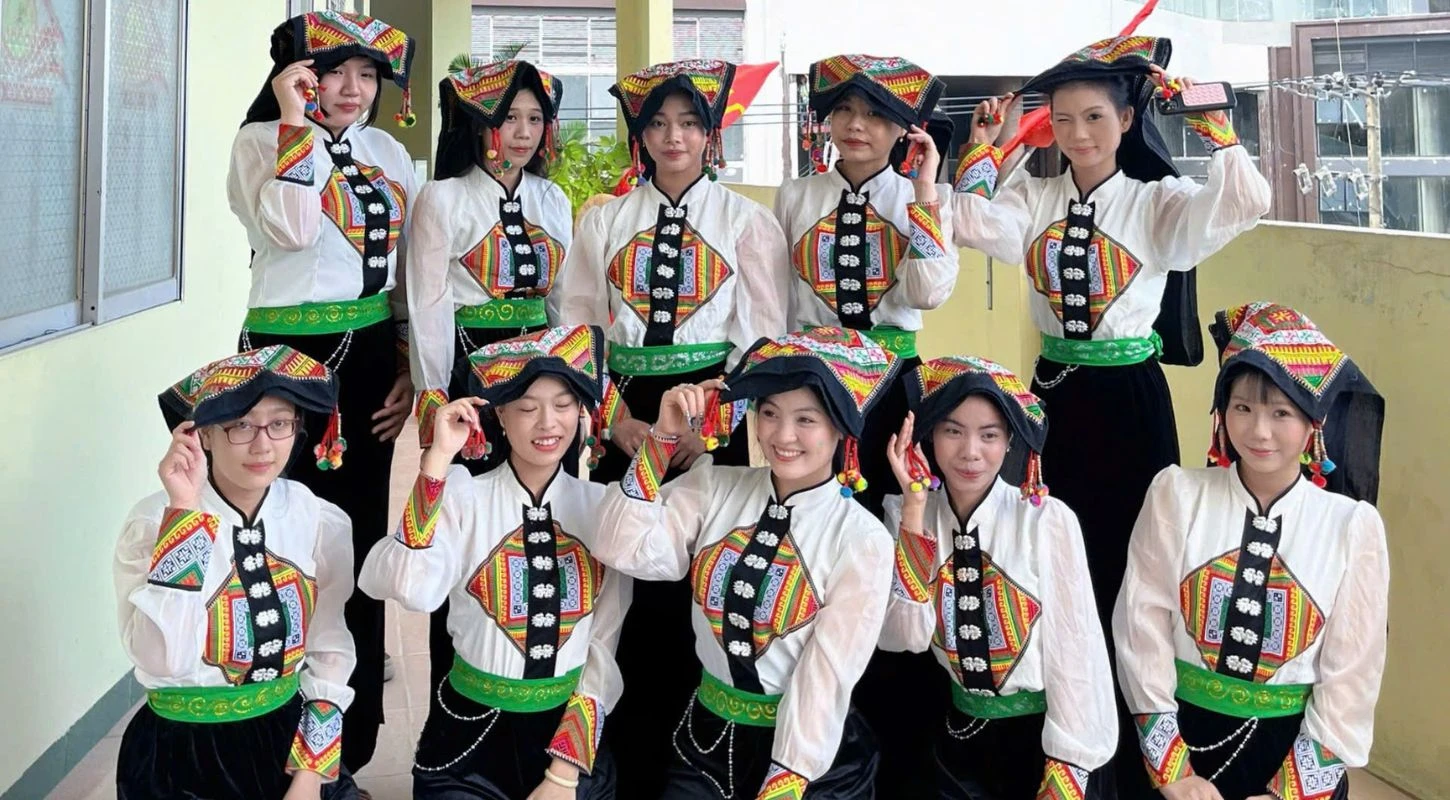
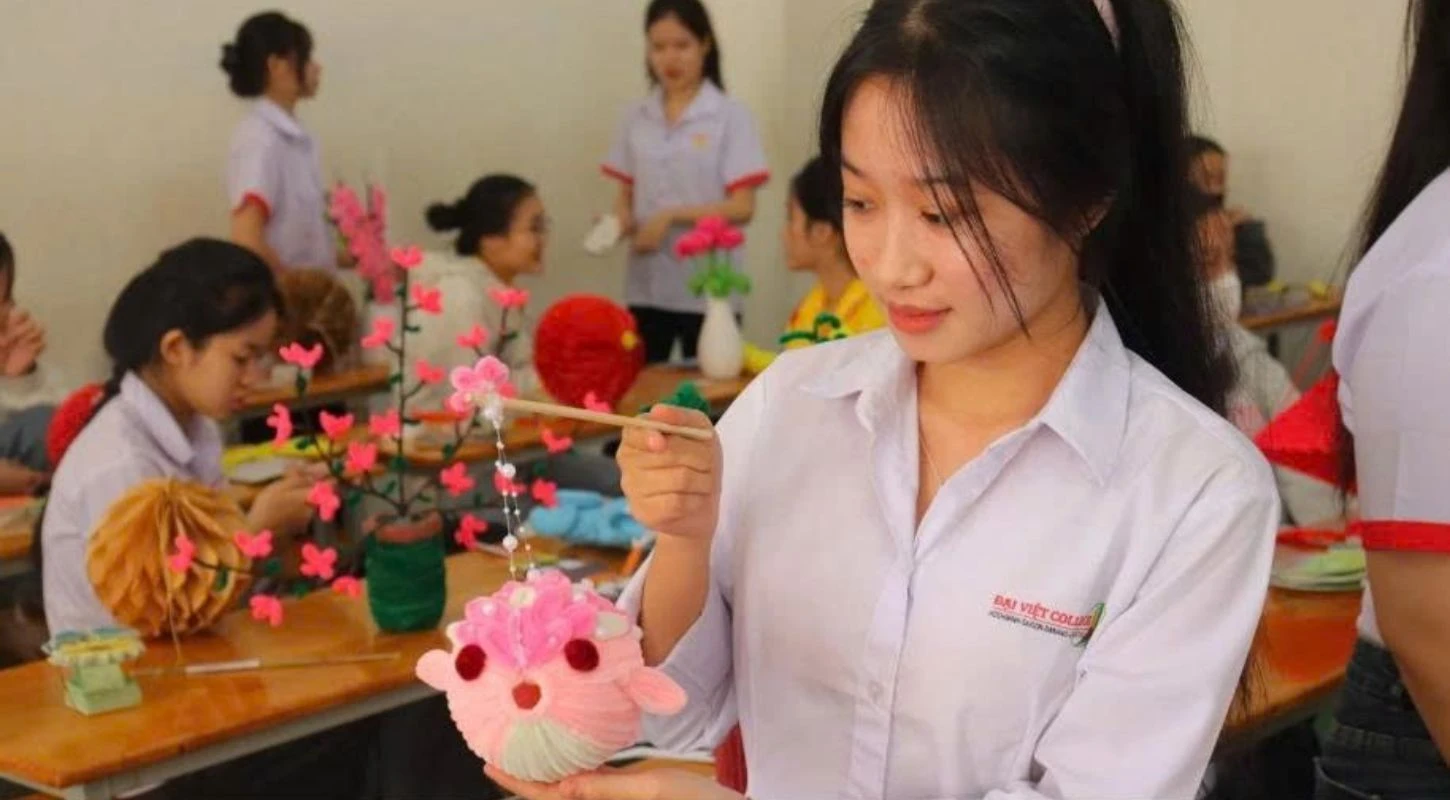
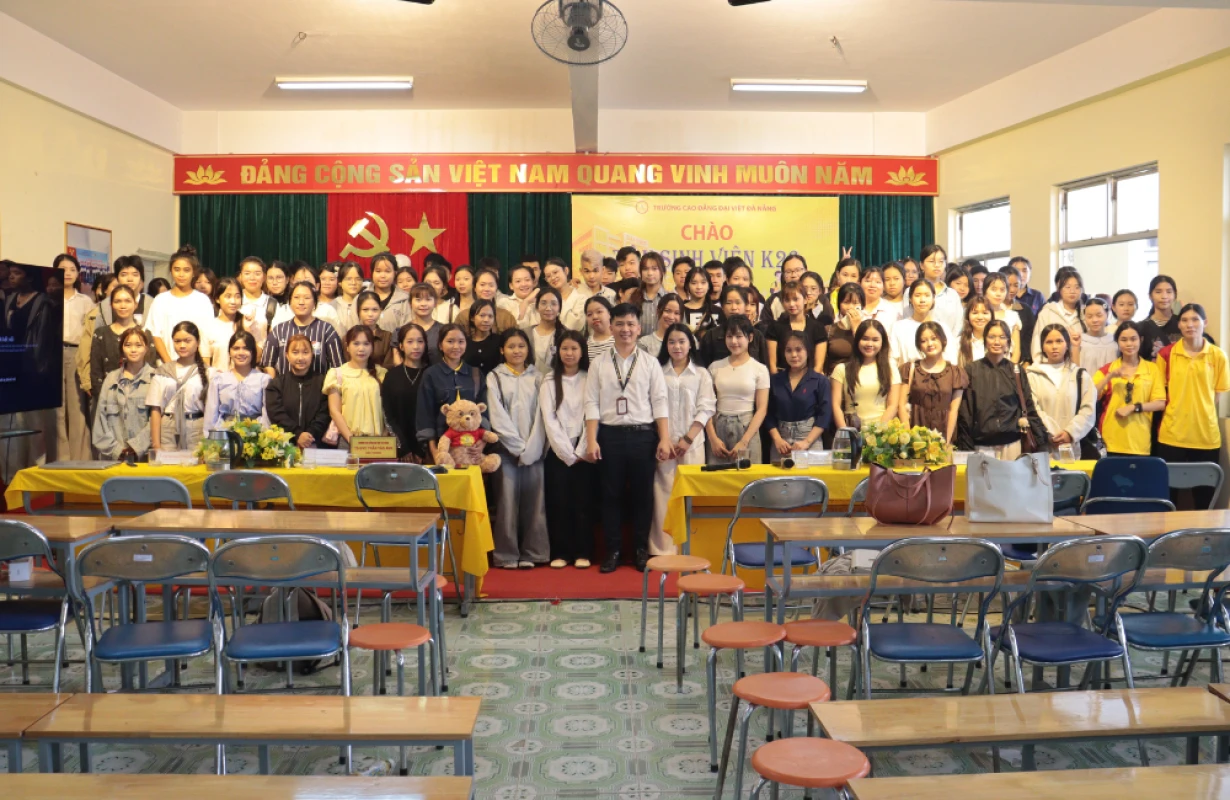
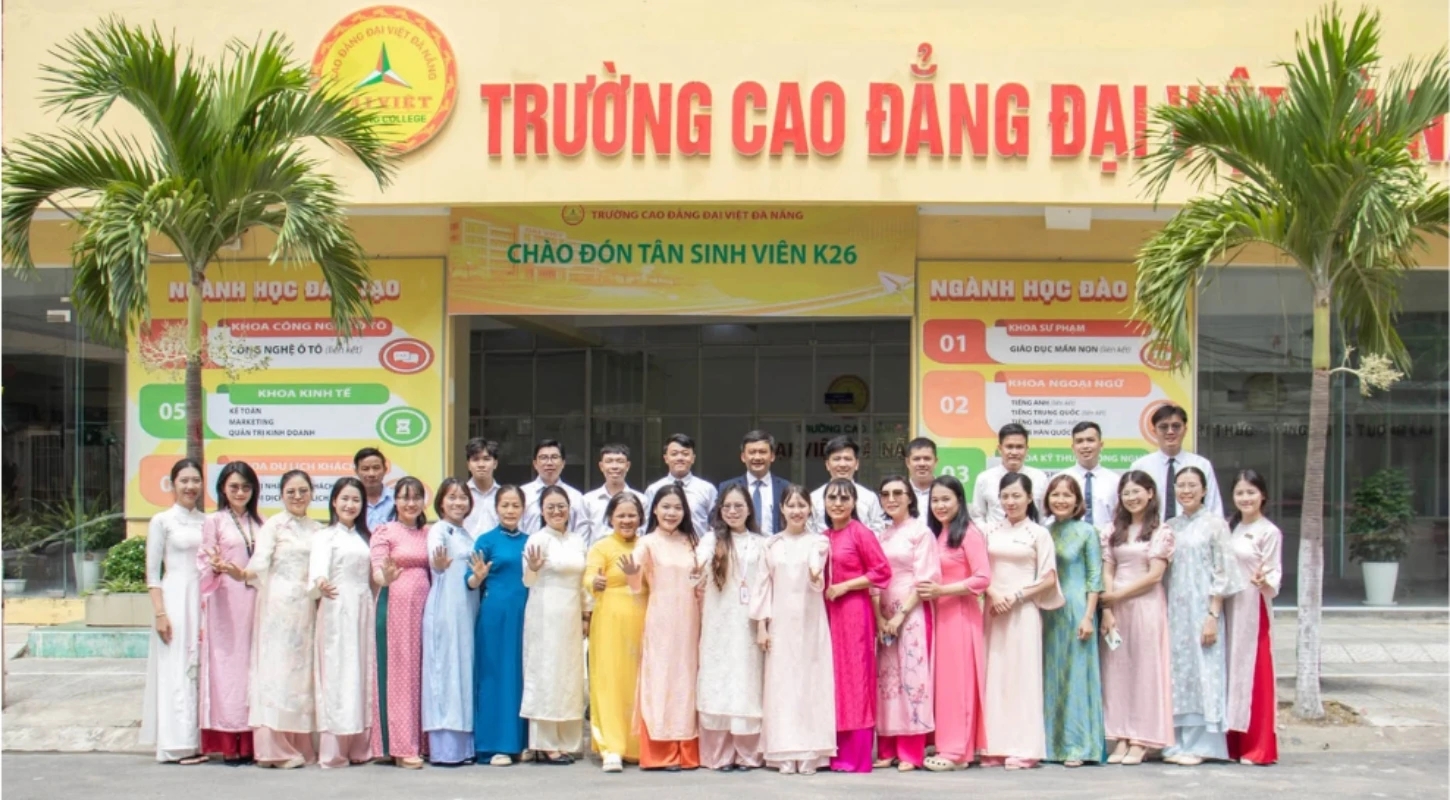
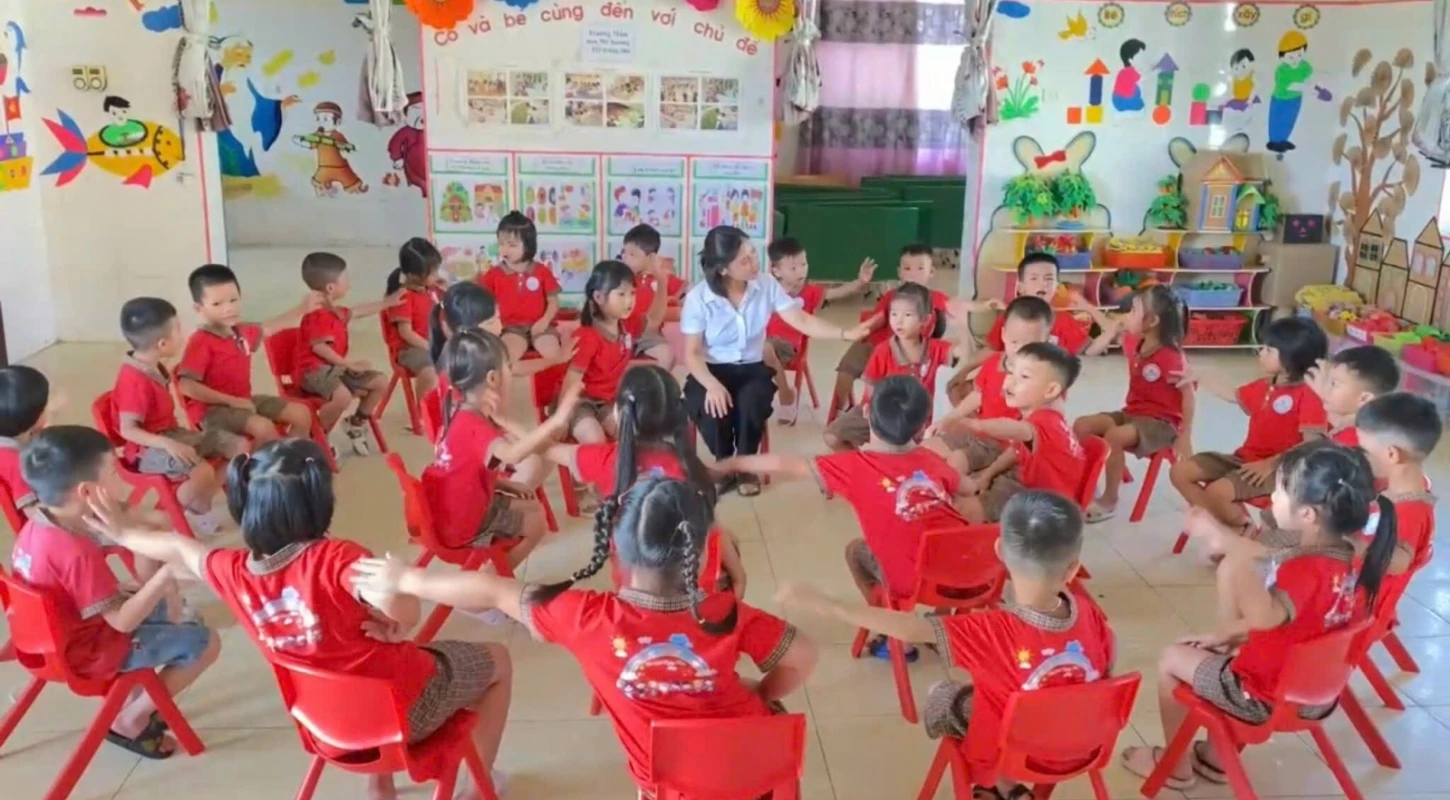
The course on Organizing Play Activities in Early Childhood Education equips learners with comprehensive theoretical knowledge and specialized practical skills in designing, facilitating, and engaging with children in games
Early Childhood Education not only requires theoretical knowledge but also demands practical skills, creativity, and a genuine love for children. In a child's journey of growth, lullabies, songs, and playful games of early years are the very first seeds planted in their hearts. This subject acts as a vital bridge, helping students deeply understand child psychology and organize age-appropriate games to help children explore the world naturally.
1. Definition of Organizing Play Activities
Organizing play activities refers to the process where teachers actively design, arrange environments, prepare learning materials, and guide children to participate in recreational, role-playing, or physical activities. The primary goal of this course is to create a safe and healthy environment where play becomes the primary method for children to absorb knowledge and practice skills under the motto "learning through play."
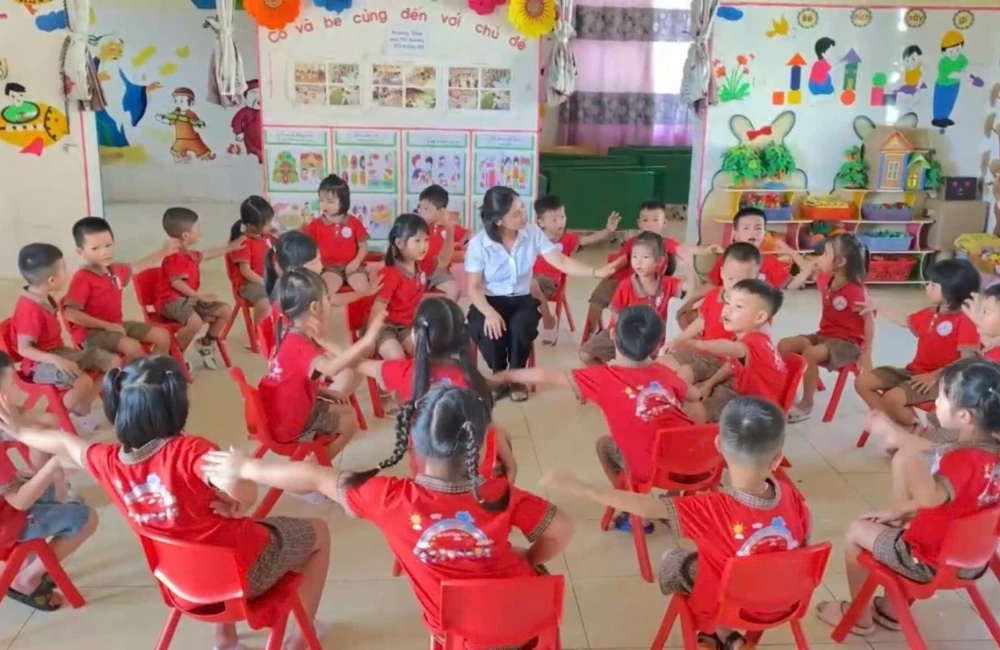
Images of organizing play activities in the classroom
2. The Role of Play Activities in Early Childhood Education
Nurturing character and soul: Childhood games contribute to nurturing character, helping children learn to love, share, and grow in harmony.
Developing essential early life skills: Through playing and exploring with all their senses, children begin to develop independence, cooperative skills with peers, and communication abilities.
Stimulating interest and creative thinking: A lively play environment brings joy, relaxation, and inspiration, laying the foundation for children to get acquainted with the world around them in an interesting way.
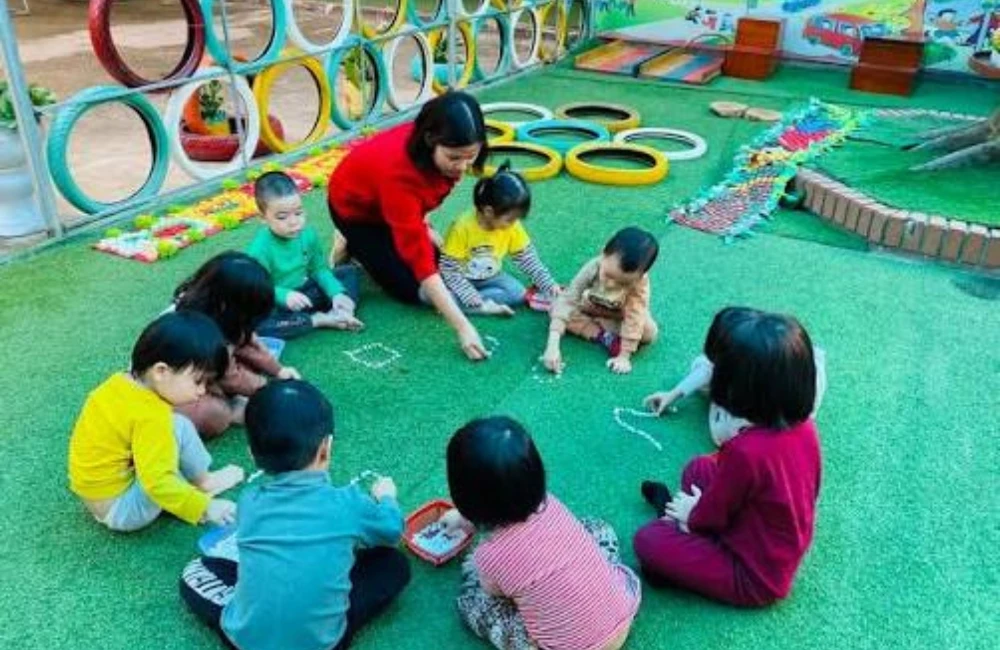
Images of organizing play activities in the classroom
3. Core Content of the Course
Theory and child psychology: Equips students with knowledge of child psychology and teaching methods to understand how children react, think, and express emotional needs during play.
Game design and organization: Guides students on how to plan, establish rules, and organize diverse groups of games (role-playing, educational, and physical games) appropriate for different age groups.
Practical toy and learning aid making: Students are instructed on how to use simple, easily accessible materials to create attractive, safe, and age-appropriate toys and teaching aids.
4. Practical Applications in Childcare and Education
Building a child-centered environment: Teachers apply game organization skills to design dynamic classroom spaces, contributing to improving the quality of care and education based on a child-centered approach.
Observing and guiding children: Instead of imposing, teachers act as facilitators who observe and assess children's development throughout their daily play activities.
Fostering confidence and happiness: Well-organized games, combined with the teacher's care and a timely word of praise, can help children feel happier and more confident every day.
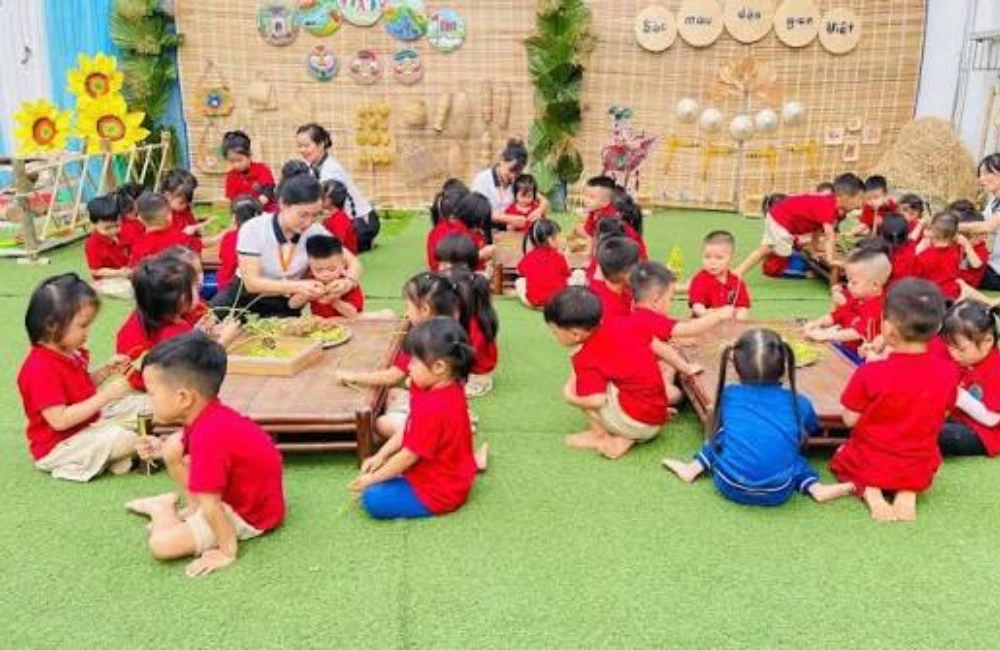
Images of organizing play activities in the classroom
5. Importance for Early Childhood Education Students
Honing core professional skills: Practicing game organization and toy making helps students develop pedagogical skills, aesthetic sense, and creativity.
Holistic self-development: This provides a dynamic environment that allows students to learn and create while nurturing their artistic spirit and passion for the profession.
Confidence in career readiness: Mastering and applying skills to organize play activities opens up solid career opportunities for students in public, private, or international preschools.