 Vietnamese
 English





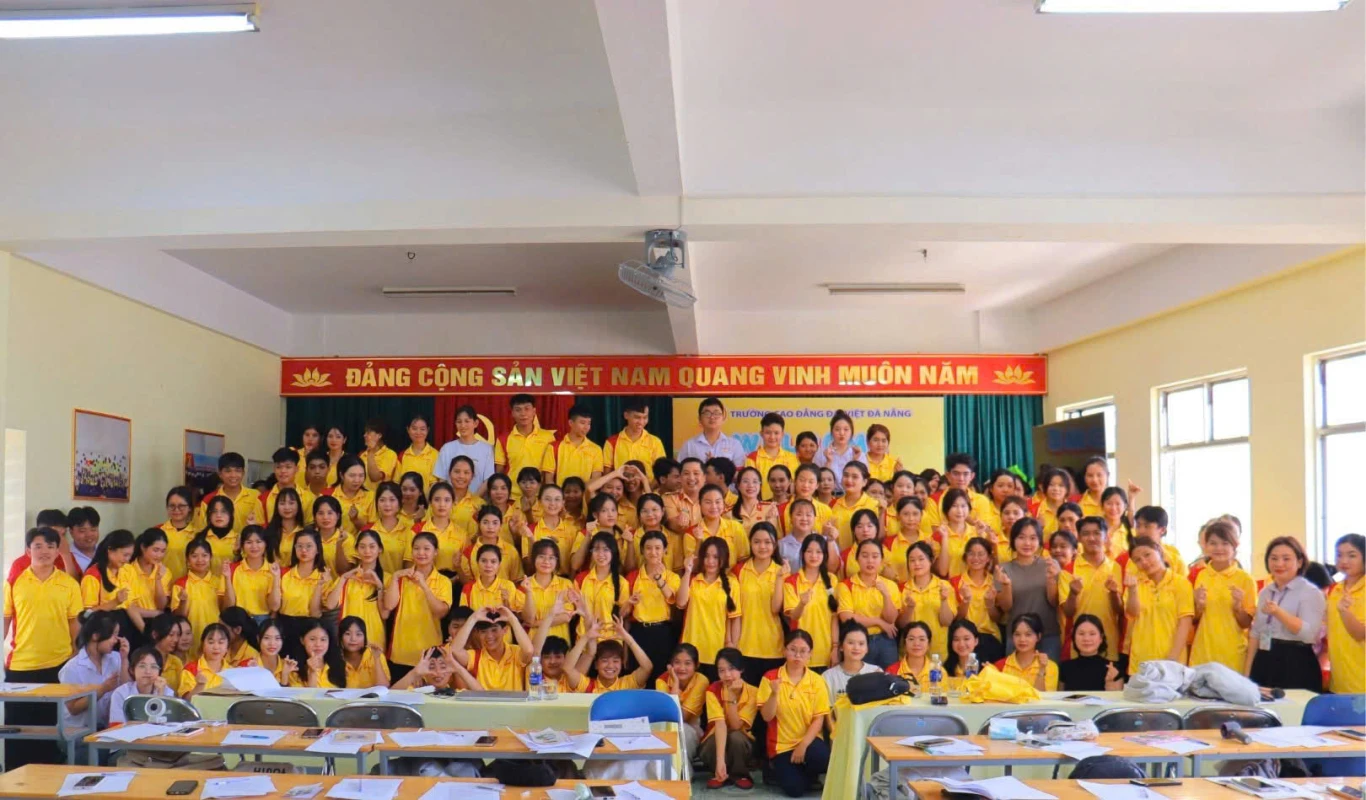
In the context of modern learning and working environments, teamwork and collaborative working skills have increasingly become core competencies.
Not only in business organizations but also in schools, scientific research, and social activities, teamwork enables individuals to coordinate effectively in order to achieve common goals. Developing and strengthening this skill brings many practical benefits for both individuals and collectives.
1. Improving Work Efficiency
One of the greatest advantages of teamwork is the enhancement of productivity and work quality. When multiple individuals participate, tasks can be distributed appropriately according to each member’s abilities. Those with strong analytical skills can be responsible for planning, individuals with good communication skills can present ideas, and careful members can handle reviewing and finalizing the work. Through such coordination, tasks are completed more quickly and errors are minimized compared to individual work.
2. Promoting Individual Strengths
Each person possesses unique strengths and weaknesses. Teamwork creates opportunities for members to maximize their strengths while receiving support in areas where they are less capable. During collaboration, individuals have opportunities to learn from one another and acquire knowledge and experience from their teammates. This process naturally enhances both professional competence and soft skills.
3. Enhancing Creativity and Innovation
When many people exchange ideas, diversity in perspectives and approaches leads to more creative solutions. New ideas often emerge from discussion, feedback, and mutual contribution. A teamwork environment encourages open thinking, respect for differences, and innovation. As a result, groups can develop more optimal and breakthrough solutions compared to individual thinking.
4. Developing Communication and Conflict Resolution Skills
Teamwork requires members to communicate, listen, and persuade one another. Through this process, individuals develop communication skills, active listening abilities, and the capacity to present ideas clearly. Conflicts are inevitable when people work together; however, learning to resolve disagreements in a constructive and effective manner helps individuals mature and build sustainable relationships, ultimately improving work outcomes.
5. Strengthening Responsibility and Cohesion
Within a team, success or failure belongs not to an individual but to the collective. This helps each member become more aware of their responsibility toward both the task and their teammates. At the same time, working together to overcome challenges and achieve shared goals fosters trust and unity among members. A strong team spirit becomes the foundation for long-term success.
6. Preparing for Real Working Environments
In most organizations today, teamwork is a common working method. Therefore, developing teamwork skills while still in school helps students adapt more easily to professional environments in the future. Employers highly value candidates who demonstrate the ability to cooperate, coordinate, and contribute positively to a team.