 Vietnamese
 English


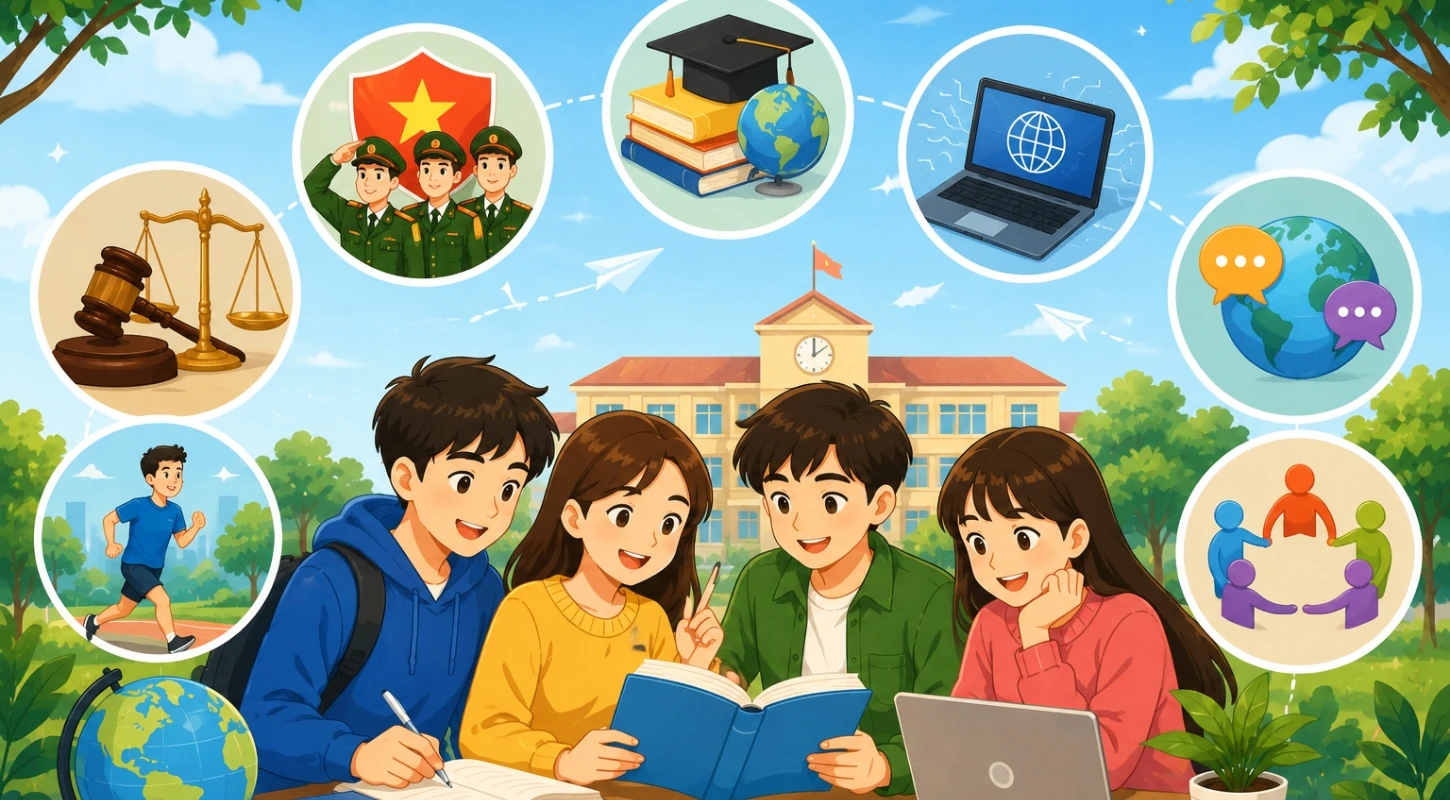

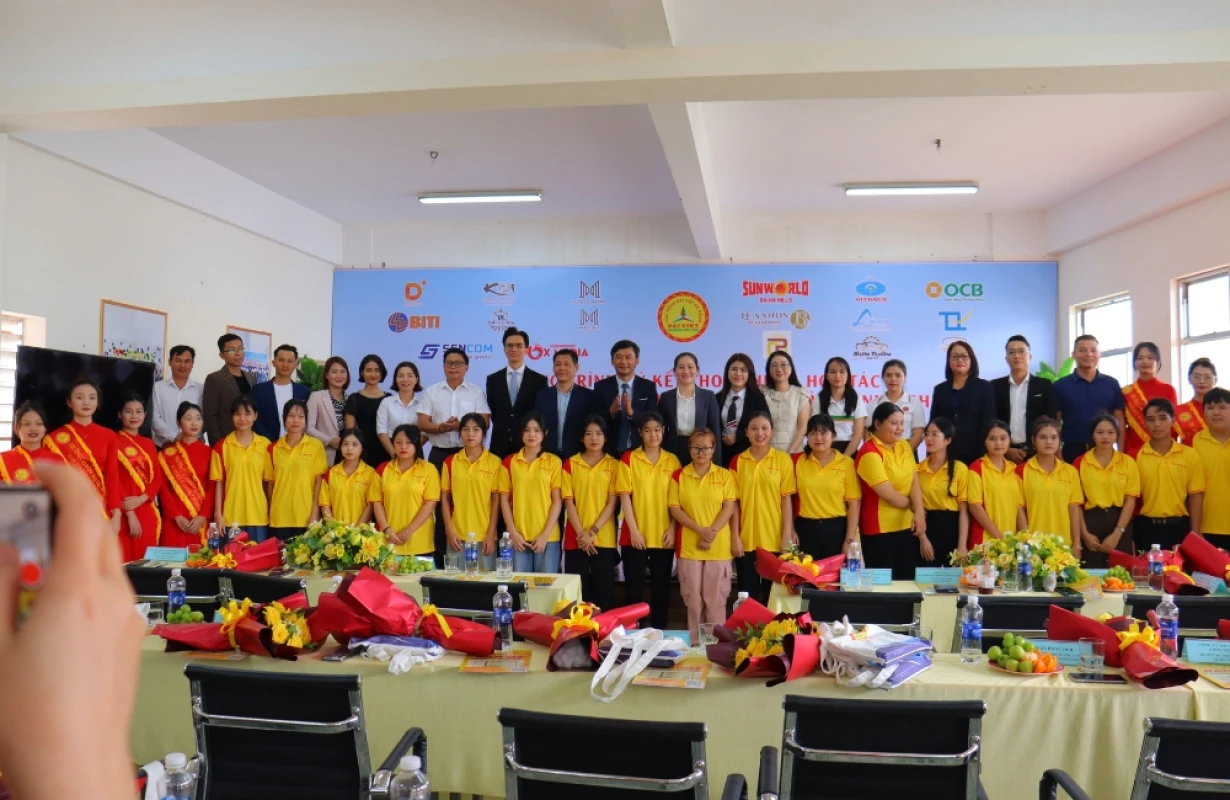
The year 2026 marks a new phase in the development of vocational education and training (VET) in Vietnam. Amid rapid digital transformation, the widespread adoption of Artificial Intelligence (AI), and the increasing demand for highly skilled human resources, colleges are facing unprecedented opportunities and challenges.
The Vocational Education Law 2025, which takes effect on January 1, 2026, establishes a new legal framework for developing the vocational education system in an open, flexible, interconnected, modern, and internationally integrated direction. This serves as an important foundation for colleges to comprehensively innovate their training activities and meet the evolving demands of the labor market.
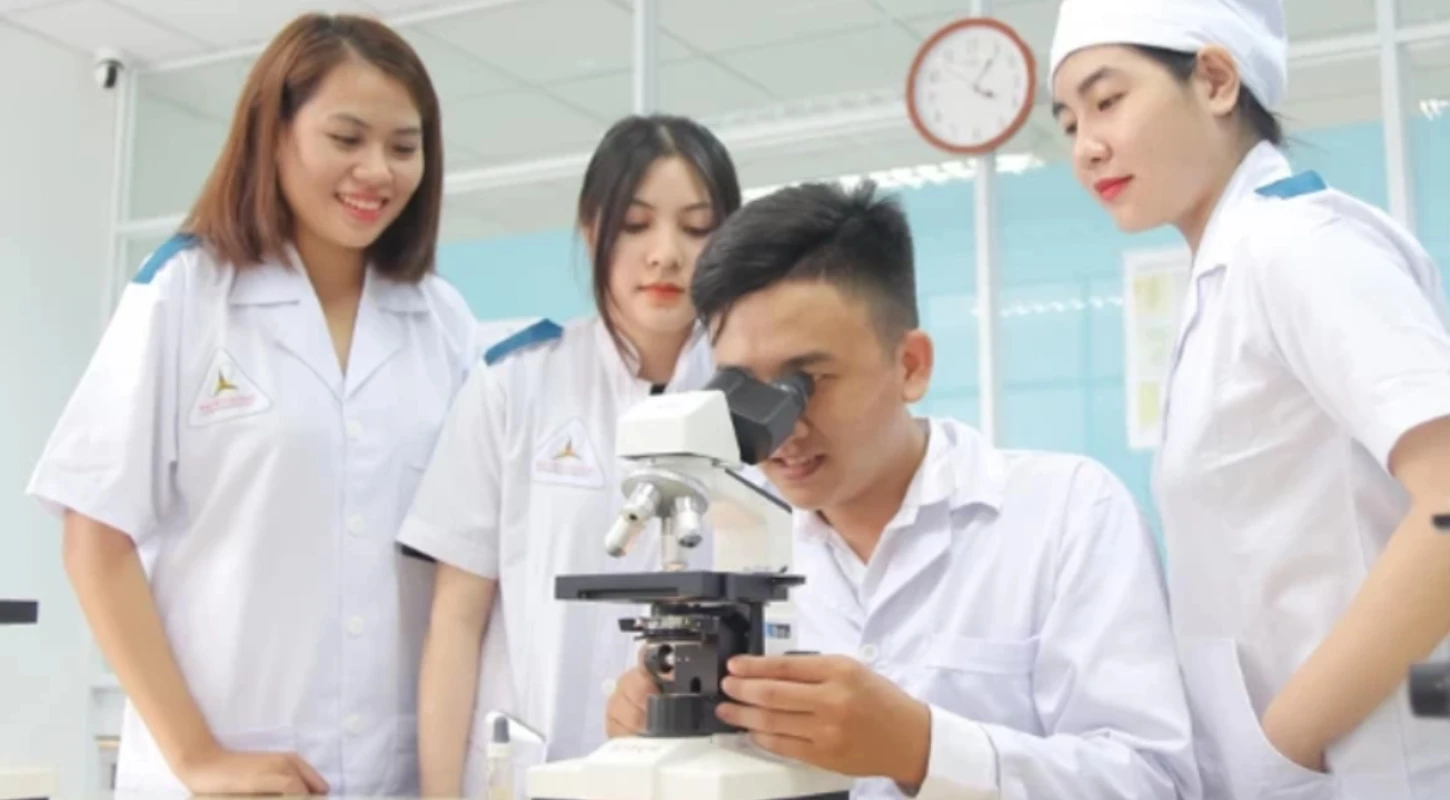
A prominent trend in college education in 2026 is the adoption of an enterprise-centered approach. Training programs are designed based on learning outcomes aligned with specific job positions, with greater emphasis on practical training, internships, and hands-on professional experiences. Collaborative training models between colleges and enterprises enable students to access advanced technologies, experience real working environments, and enhance their employability immediately after graduation.
In addition, digital transformation is profoundly changing teaching and learning methods. Digital learning resources, smart classrooms, virtual reality simulations, and online training management platforms are gradually becoming indispensable components of vocational education institutions. Learners not only acquire professional knowledge but are also equipped with digital competencies necessary to adapt to modern workplaces.
Artificial Intelligence is also bringing significant changes to education and training activities. Many colleges have begun integrating AI-related knowledge and application skills into programs such as Information Technology, Accounting, Marketing, Mechanical Engineering, Electrical and Electronics Engineering, Logistics, and Healthcare. This helps learners improve productivity, foster creativity, and strengthen their competitiveness in the global labor market.
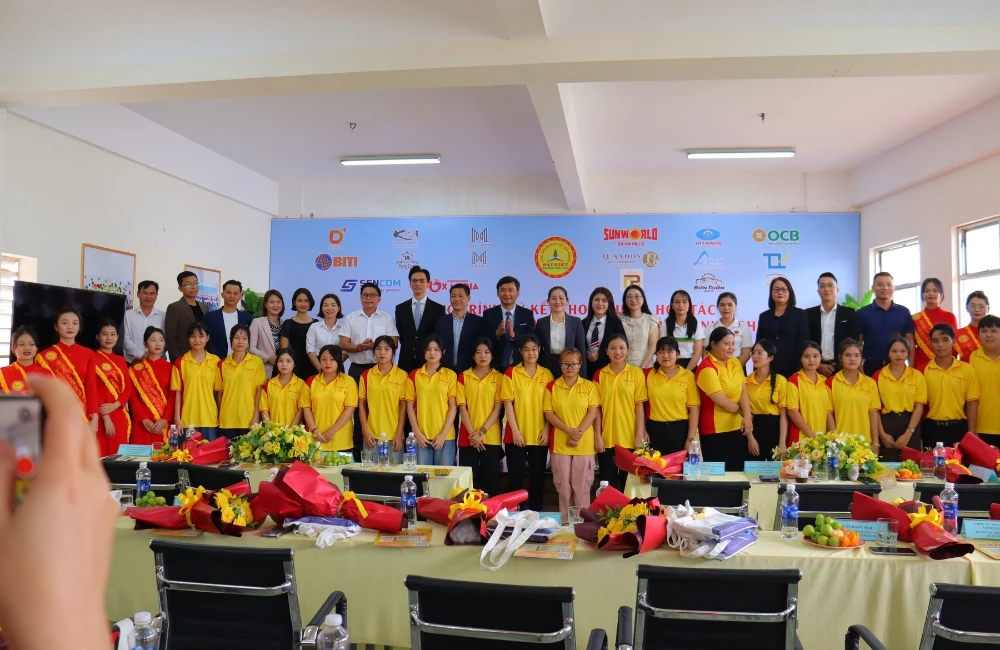
Another important trend is the development of human resources for the green economy and sustainable development. Programs related to renewable energy, environmental engineering, electric vehicle technology, automation, and energy management are attracting increasing interest from learners due to strong workforce demand and promising career prospects.
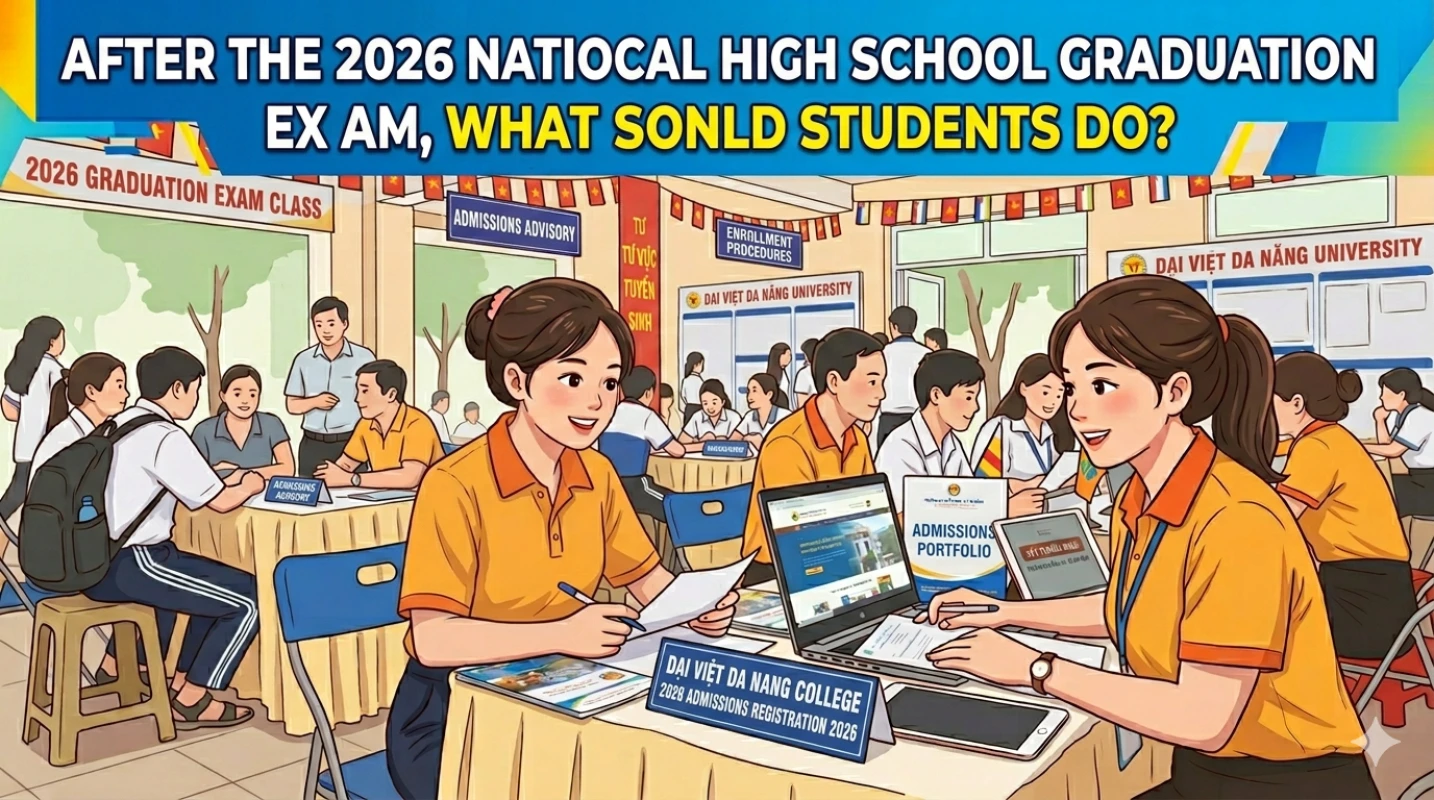
At the same time, career guidance and educational streaming are being strengthened to help students choose pathways that match their abilities and meet societal needs. This contributes to enhancing the status of vocational education and reaffirming the crucial role of colleges in training high-quality human resources for the country.