 Vietnamese
 English



The Internet offers numerous opportunities for learning and connection, but it also poses risks such as online scams, identity impersonation, and online abuse. Developing digital safety skills helps students protect themselves, respect others, and contribute to a safer and healthier online environment.
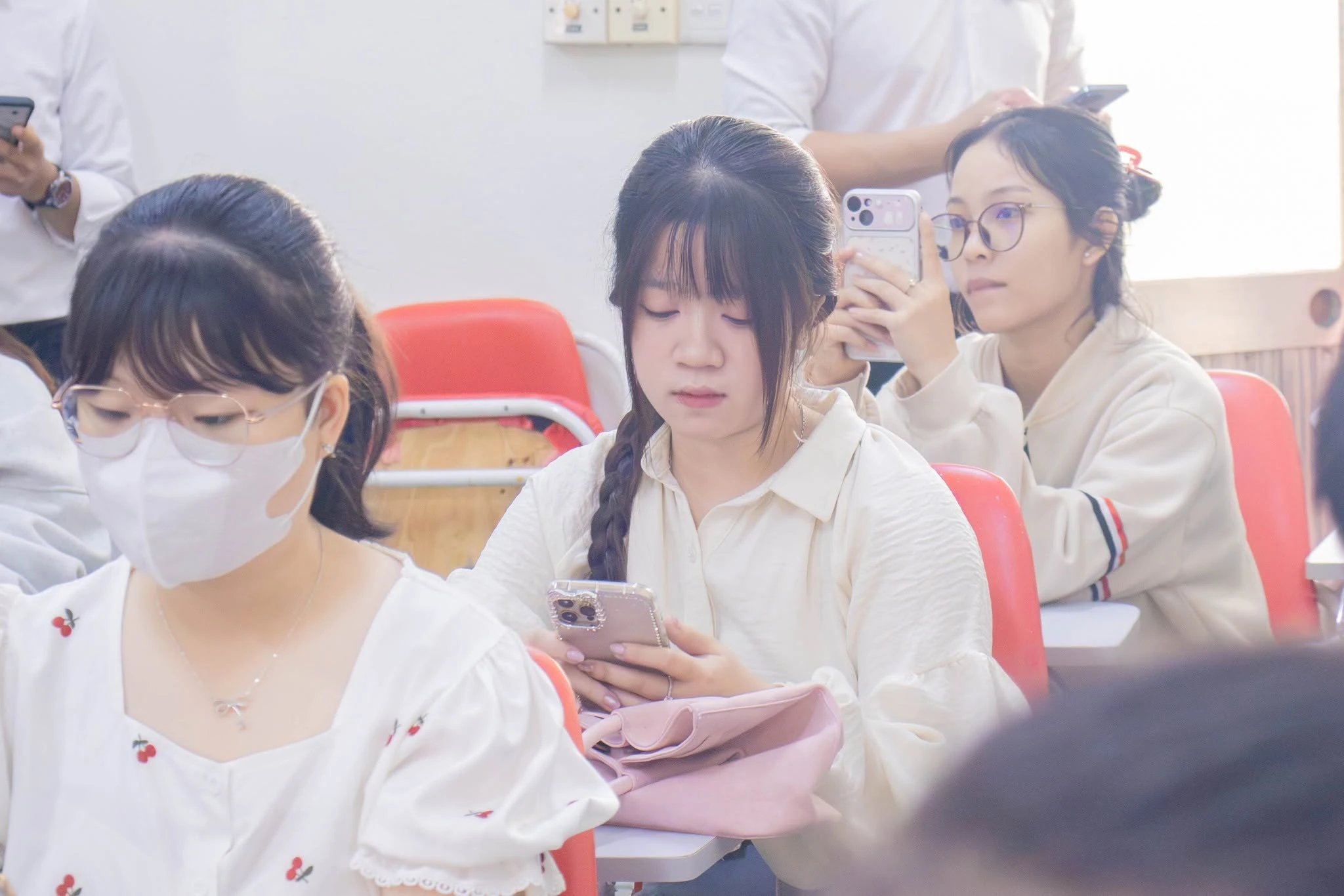
In the digital age, the Internet and social media have become essential tools in students’ learning, communication, and daily lives. However, alongside their many benefits, the online environment also presents various risks, including online scams, personal data theft, fake accounts, cyberbullying, and the unauthorized distribution of private images. These acts can cause not only financial losses but also harm victims’ reputations, mental well-being, and personal relationships.
In response to these challenges, the “No One Alone 2026 - Preventing Online Abuse” campaign is being implemented through cooperation between the Ministry of Public Security, the Ministry of Education and Training, and relevant agencies and organizations. The campaign focuses on “Preventing Online Abuse Against Children and Adolescents” and promotes the message “Connected Without Harm.” It aims to raise public awareness, equip people with essential skills to prevent online risks, and encourage collective efforts to build a safer online environment.
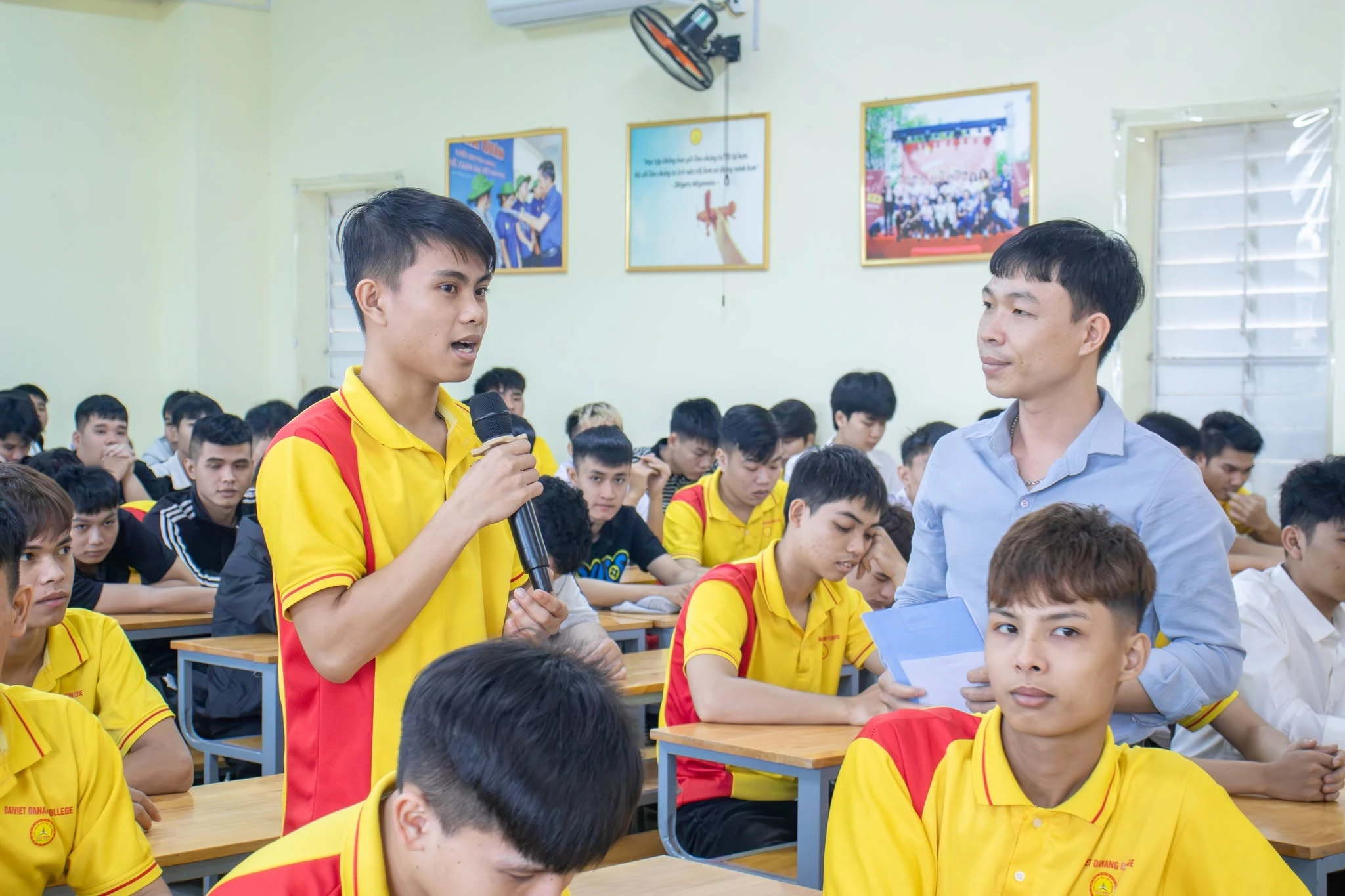
For students of Daiviet Danang College (DVE), embracing this message begins with developing safer Internet habits and taking greater responsibility when participating in online platforms.
First, students should protect their personal information and avoid sharing passwords, one-time passwords (OTPs), banking details, or private images indiscriminately. They should remain cautious of unfamiliar links, fake accounts, job offers promising unusually high earnings, and suspicious requests for money transfers. When receiving messages or requests from friends or acquaintances online, students should verify their authenticity through a trusted communication channel before taking action.

In addition, students should verify information before sharing it, particularly content from unknown sources or images and videos that may have been manipulated. Responsible social media use is also reflected in how people comment, post, and interact with others. Students should never engage in cyberbullying, insult or threaten others, or share private information without consent. Respecting others online is an essential expression of good conduct and responsible digital citizenship.
When encountering online scams, harassment, or abuse, students should remain calm, preserve relevant evidence, and block or report violating accounts. They should also seek support from trusted individuals, the College, or the relevant authorities when necessary. No one should remain silent out of fear or embarrassment, as speaking up at the right time can help minimize harm and prevent similar incidents from happening again.
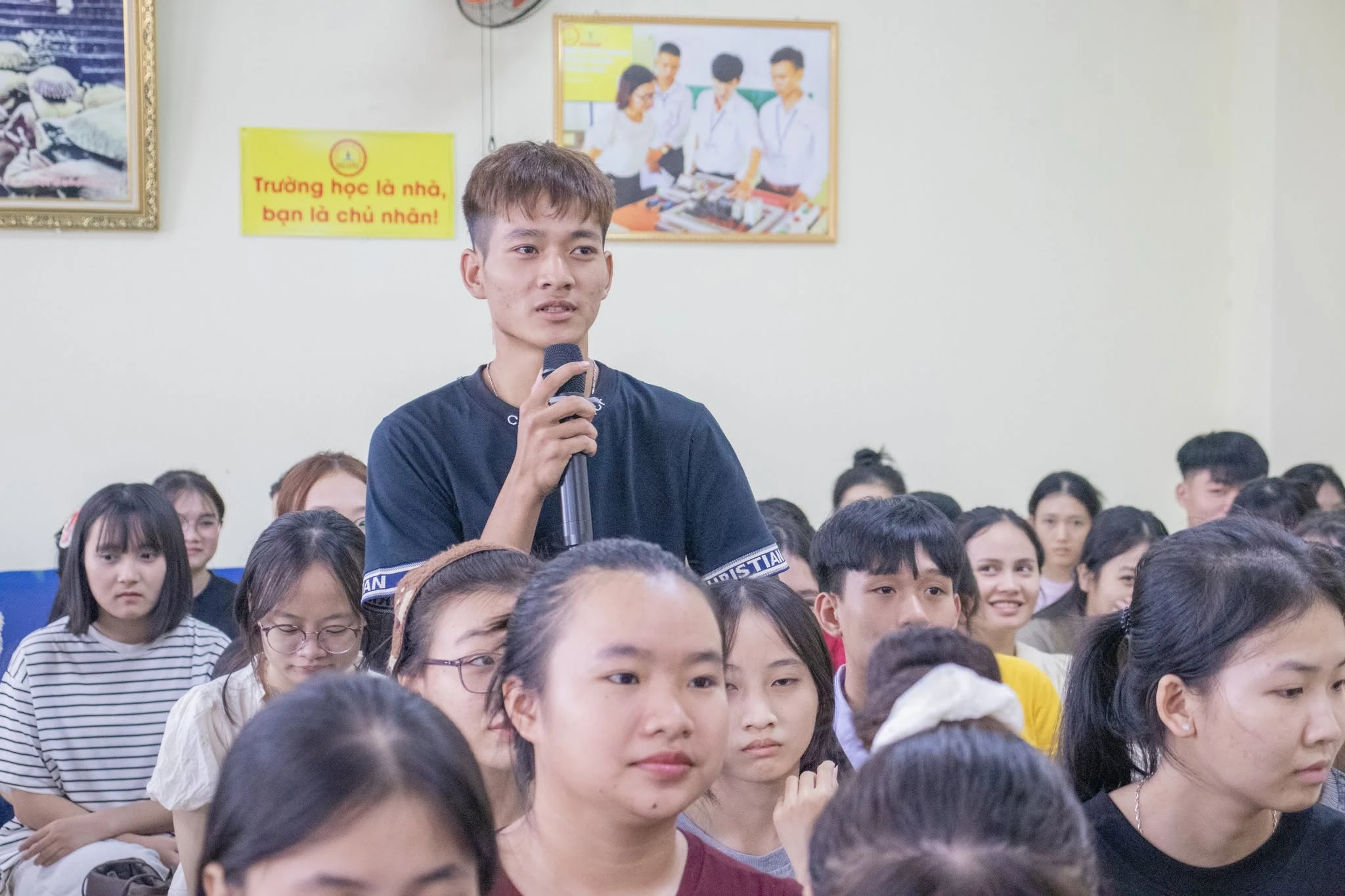
Every student can also help spread the message “Connected Without Harm” by sharing reliable digital safety information, reminding friends to remain alert to online risks, and supporting those experiencing difficulties online. A timely reminder, verified information, or a respectful interaction can all contribute to creating more positive online connections.
Building a safer online environment is not solely the responsibility of authorities; it begins with the awareness and actions of every individual. Students of Daiviet Danang College are encouraged to protect themselves, respect others, and use technology responsibly, working together to create a civilized and healthy digital environment where every connection promotes safety, respect, and mutual support.