 Vietnamese
 English


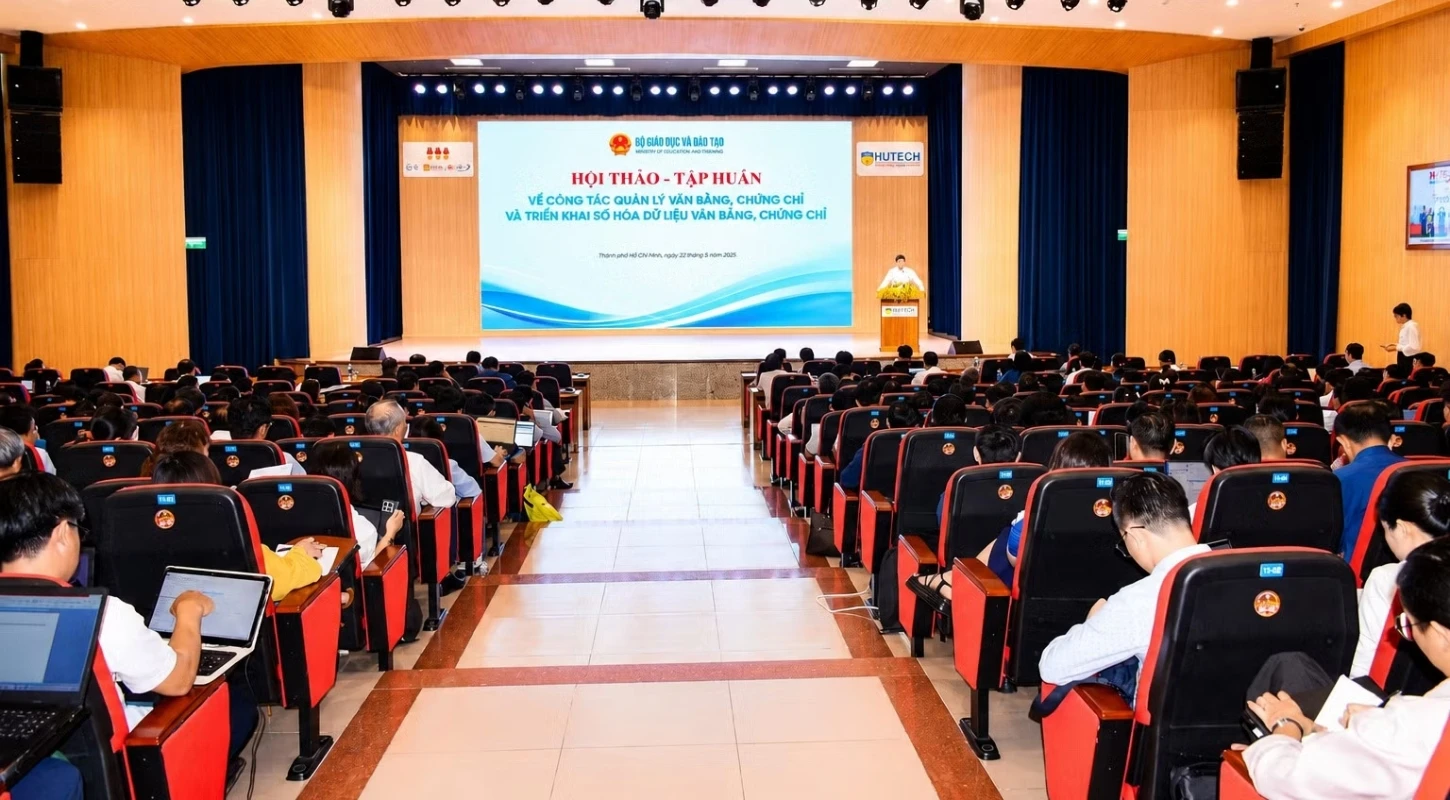
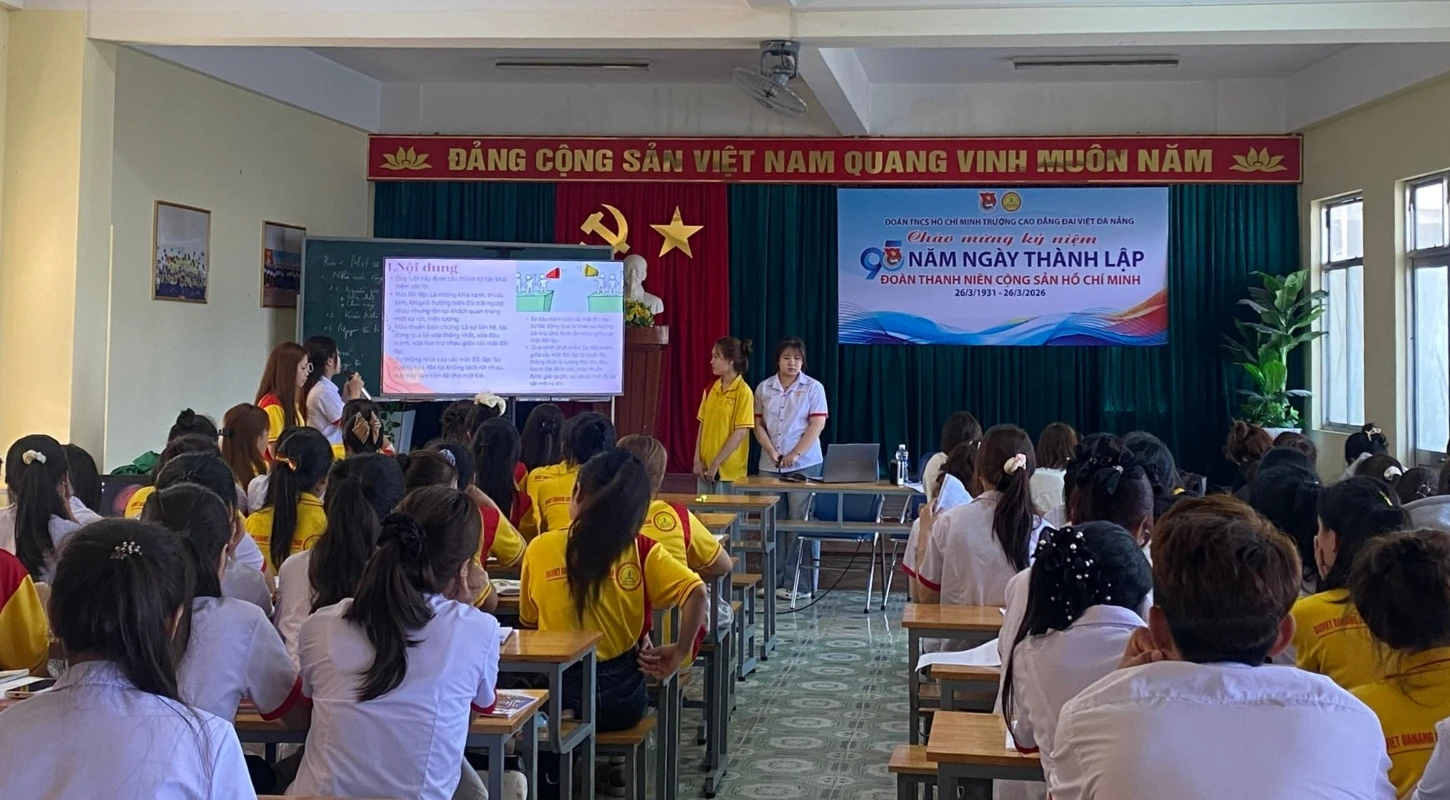
For many students, Political Education has often been associated with long theoretical lessons, difficult concepts, and the feeling of “studying only for exams.” Many people consider it a dry subject that lacks practicality and fails to inspire interest. However, in recent years, the teaching and learning methods of Political Education have changed significantly, making the subject more engaging, relatable, and meaningful to young people.
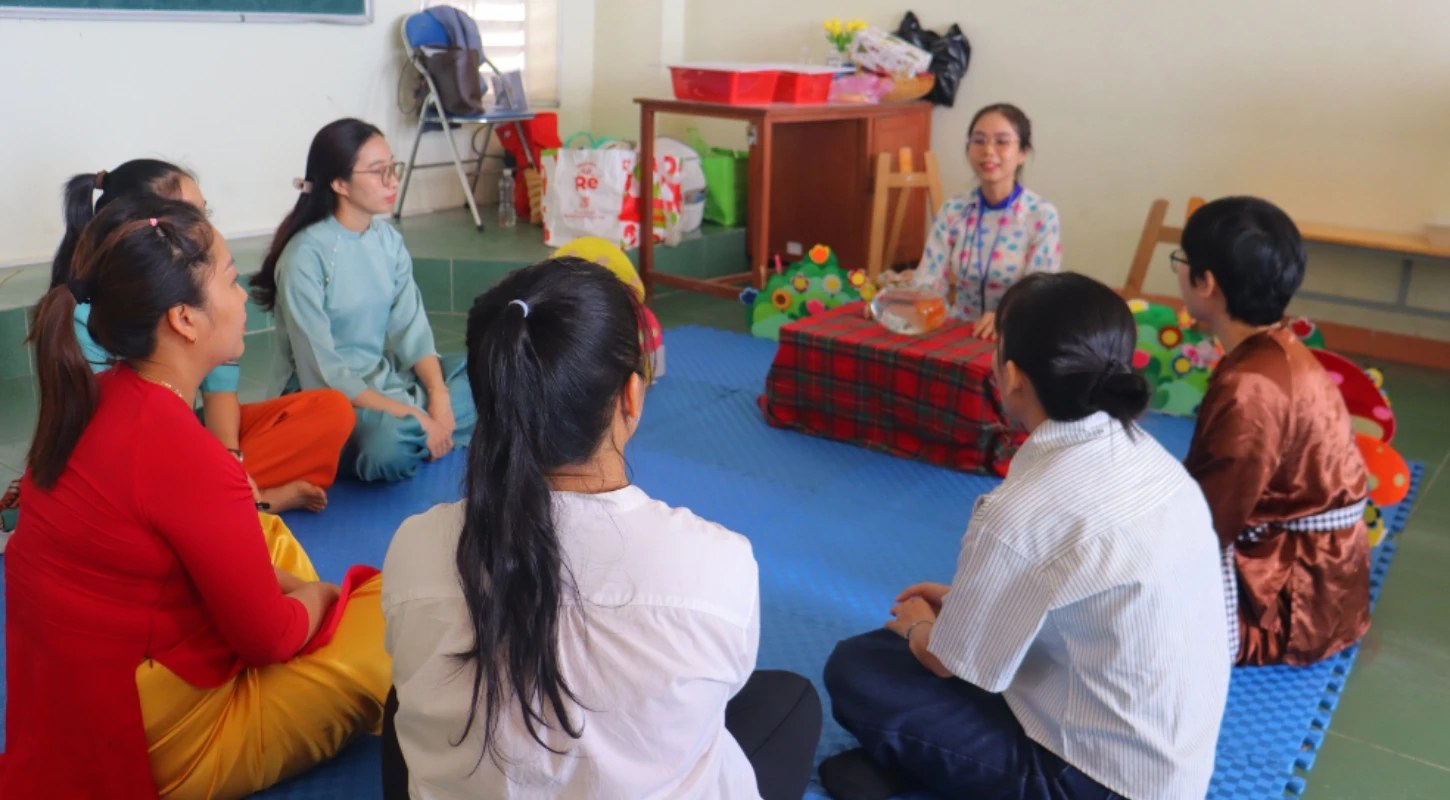
The biggest difference lies in the teaching methods. Instead of the traditional “read-and-copy” approach, many lecturers now apply group discussions, videos, educational games, and real-life social issues in their lessons. Topics such as morality, civic responsibility, ideals, and patriotism are no longer confined to textbooks but are directly connected to everyday life. As a result, students can understand the lessons more easily and have opportunities to express their own opinions.
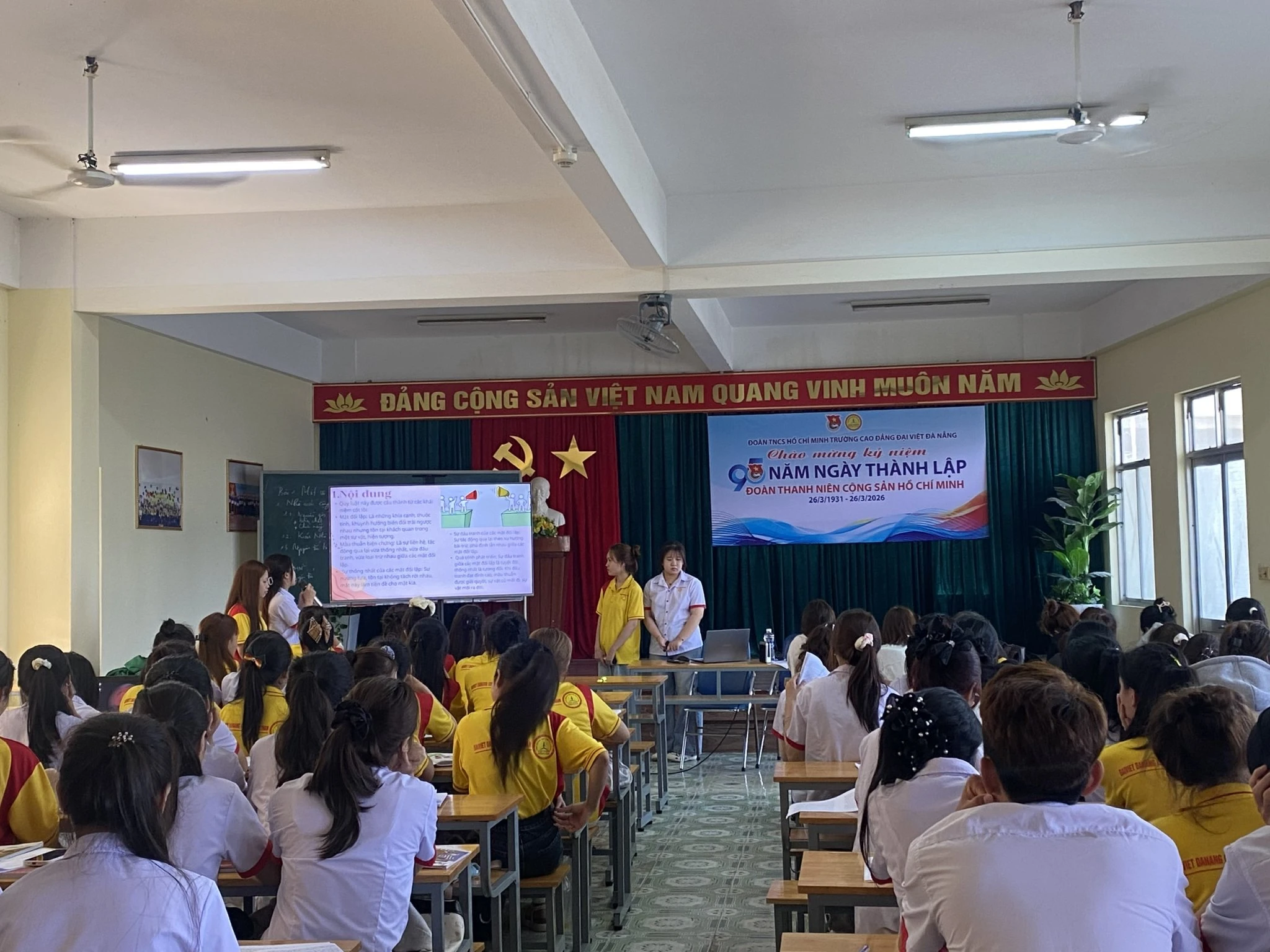
In addition, technology has played an important role in renewing this subject. Online lectures, infographics, podcasts, and short videos on social media platforms have made political knowledge easier and more interesting to learn. Many students admit that they have become more interested in social issues, history, and civic responsibility through creative digital content. When knowledge is presented through images and real-life stories, learners no longer feel pressured or bored.
Not only has the form of teaching changed, but the content of the subject has also become more practical. Lessons about positive lifestyles, dedication, community responsibility, and environmental protection are all closely connected to the concerns of today’s youth. Therefore, Political Education not only helps students understand political theories and ideologies but also contributes to shaping their character, positive attitudes, and critical thinking in a modern society filled with diverse information.
More importantly, in an open learning environment, students have opportunities to think independently, debate, and develop critical reasoning skills. This makes the subject truly valuable instead of simply being about grades. Political Education is no longer seen as distant theories but as essential knowledge that helps young people understand themselves, understand society, and become more responsible citizens.
It can be seen that with innovative teaching methods and active participation from students, Political Education has gradually overcome its “boring” stereotype. It is not only a compulsory subject in the curriculum but also an opportunity for students to develop their thinking, ideals, and civic spirit in the modern era.