 Vietnamese
 English


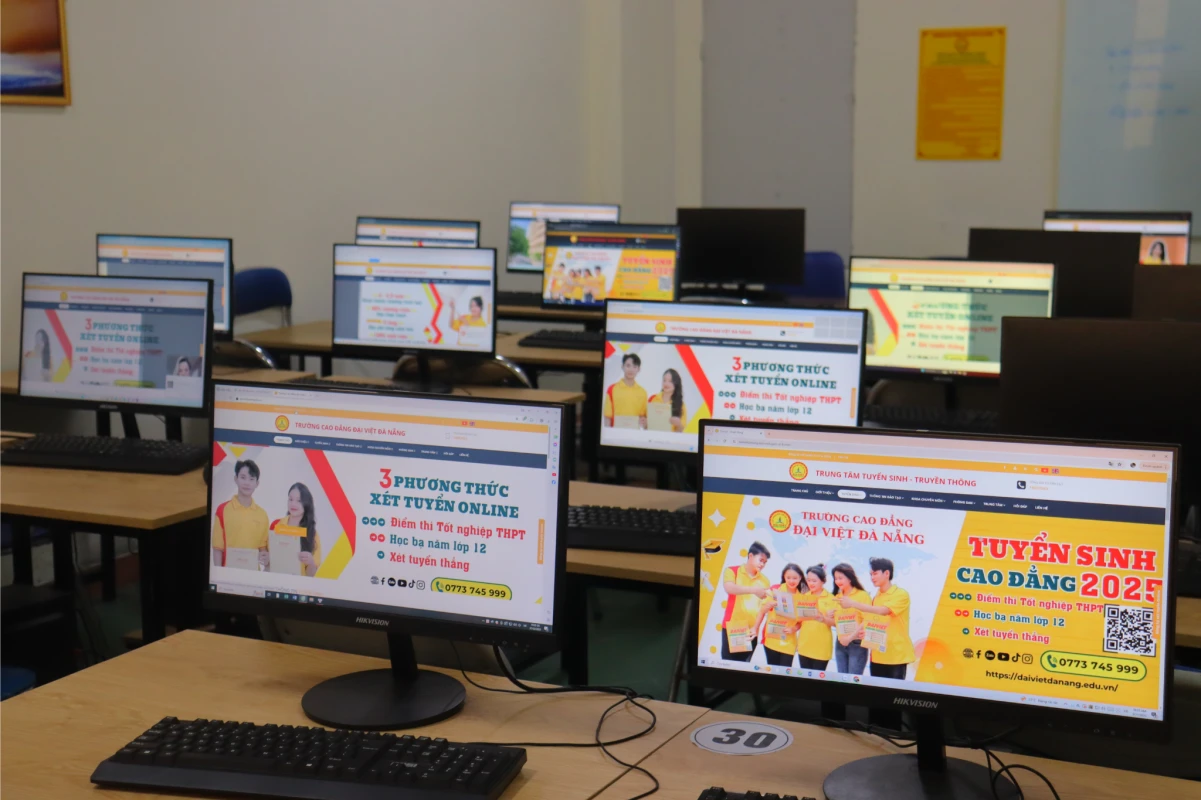
In a world where technology is changing every day, the demand for a workforce with professional knowledge, practical skills, and adaptability is becoming increasingly important. Employers do not simply need people who “know”; they need people who can get the job done, solve problems, and remain willing to learn and adapt to new requirements.
This is also the direction pursued by the Faculty of Engineering and Technology – Dai Viet College of Da Nang in its educational mission and its commitment to accompanying students throughout their learning journey.
With two major programs, Applied Informatics and Industrial Electrical Engineering, the Faculty of Engineering and Technology provides students with opportunities to acquire professional knowledge, develop practical skills, and gradually build a professional working attitude. The goal is not simply to help students complete their academic programs, but also to equip them with a strong foundation to confidently enter the professional world after graduation.
Learn to understand – Practice to master – Experience to grow – Take initiative to develop.
Vocational Education in an Ever-Changing Technological World
Today, technology is present in almost every aspect of life and production. From computers, software, and data systems to electrical equipment, production lines, and control systems, engineering and technology are playing an increasingly important role in business operations.
This creates a new requirement for vocational education: students need to be prepared not only with knowledge but also with the ability to apply that knowledge in real-world situations.
A technology student should not only study computer theory but also learn how to use technology to solve practical problems.
Likewise, an Industrial Electrical Engineering student should not simply memorize electrical circuit concepts but should understand how to read, install, operate, inspect, and troubleshoot technical systems in real-world settings.
Therefore, vocational education needs to create an environment where students can learn, practice, experiment, and learn from experience.
At the Faculty of Engineering and Technology – Dai Viet College of Da Nang, this spirit is integrated into the learning process through an approach that connects professional knowledge with hands-on practice and career-oriented experiences.
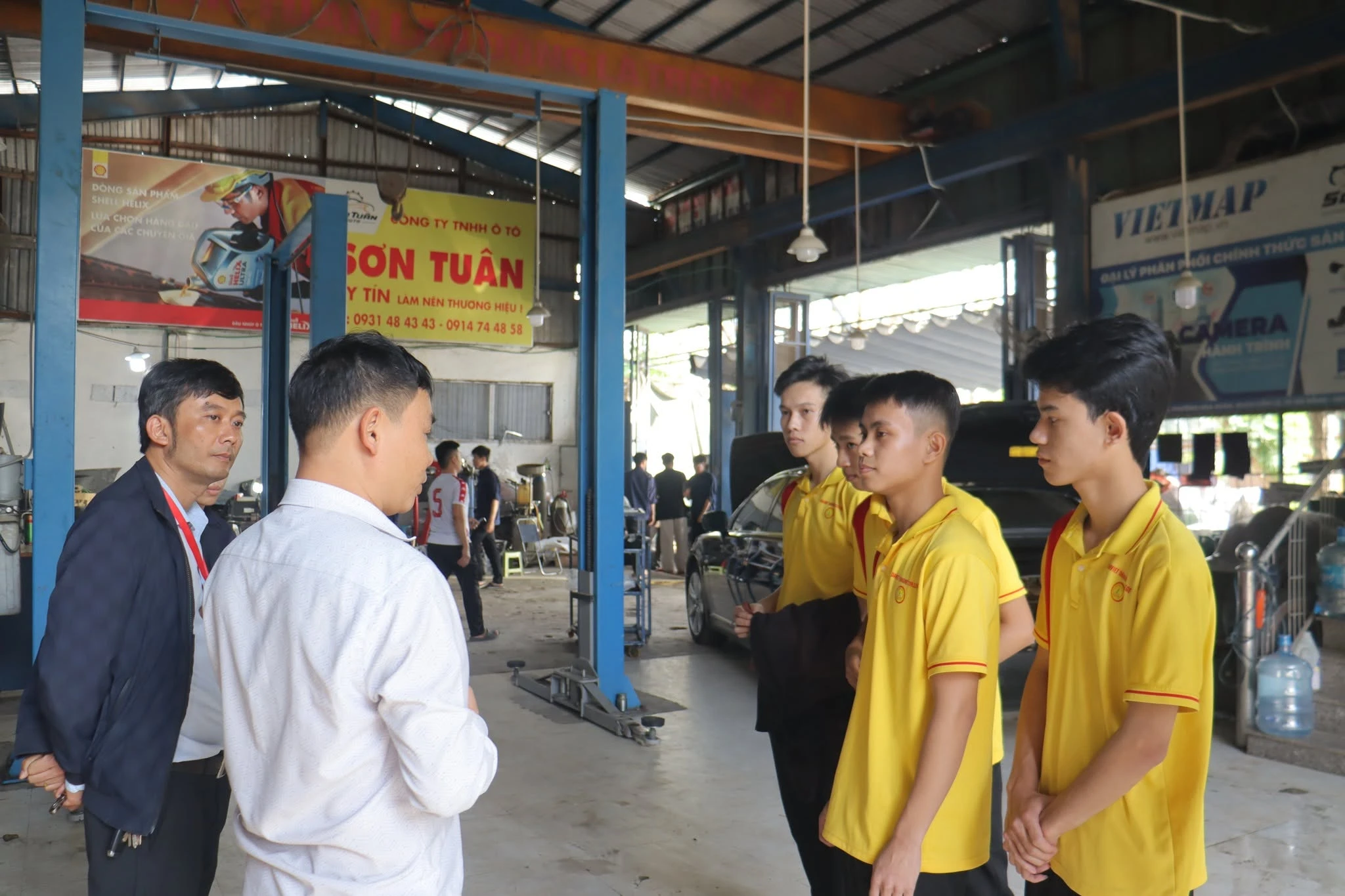
Faculty of Engineering and Technology – Two Majors, One Career-Oriented Vision
The Faculty of Engineering and Technology currently offers two major fields of study: Applied Informatics and Industrial Electrical Engineering.
Although each major has its own characteristics, both share a common goal: helping students develop professional competence and the ability to adapt to real-world working environments.
Applied Informatics - Learning Technology for Work and Life
Information technology has become an essential part of the operations of organizations, businesses, and institutions.
Today, employees may need to use a wide range of software, information systems, and digital tools in their daily work. Therefore, the ability to apply technology effectively is becoming an increasingly important professional skill.
The Applied Informatics program at the Faculty of Engineering and Technology aims to help students build the knowledge and skills needed to use technology effectively.
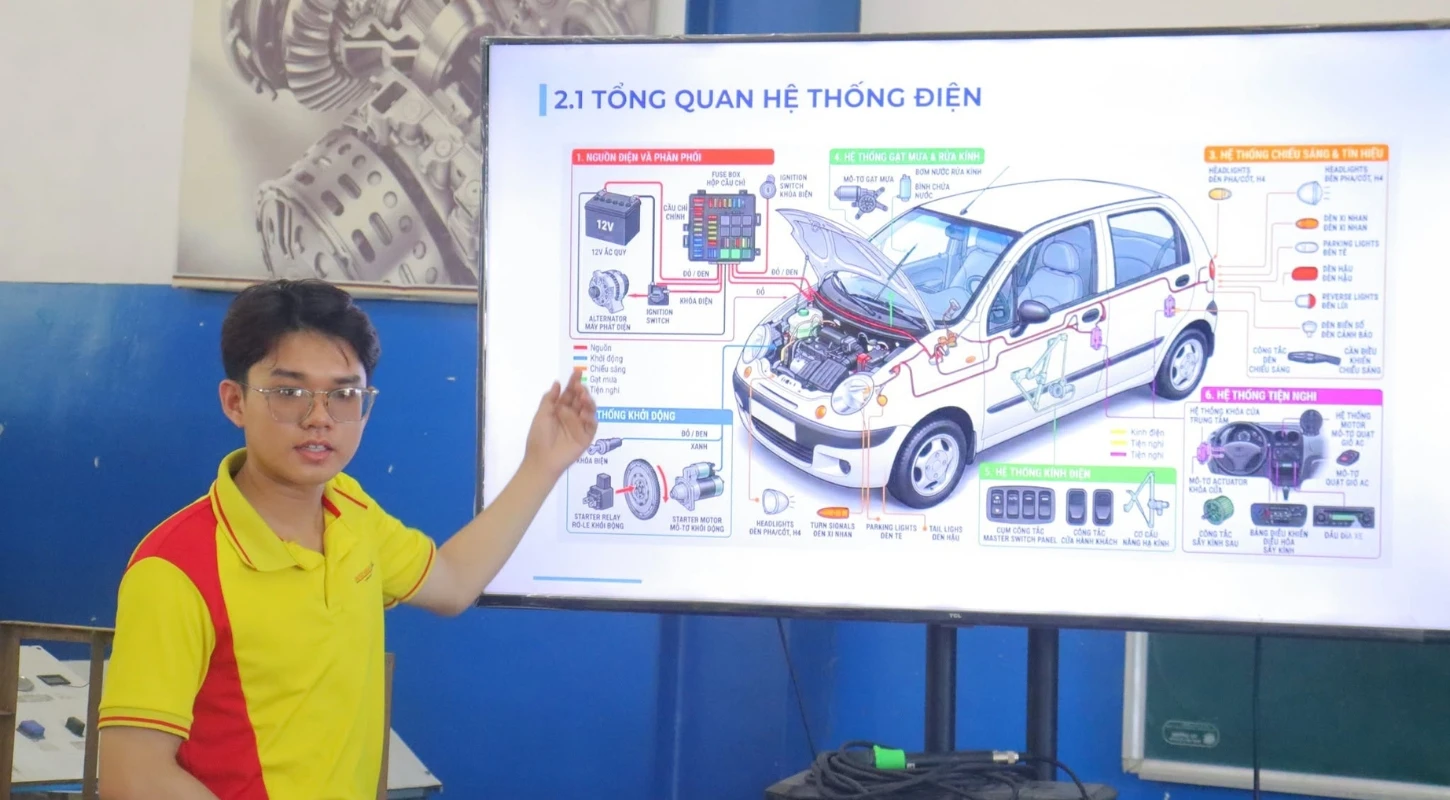
Throughout their studies, students have opportunities to explore areas related to information technology, software, computers, data, systems, and technology applications for work and everyday activities.
Alongside professional knowledge, students are also encouraged to develop logical thinking, analytical skills, and problem-solving abilities.
Because technology is more than just a tool.
Technology is a means of helping people work more efficiently, connect more effectively, and create new value.
With the foundation developed during their studies, graduates of Applied Informatics can explore a variety of career paths depending on their abilities and employers' needs. They can also continue learning and developing their professional expertise in the future.
Industrial Electrical Engineering – Connecting Technical Knowledge with Practical Skills
While Applied Informatics is closely associated with the digital world, Industrial Electrical Engineering is strongly connected to machinery, equipment, electrical systems, and production activities.
Electricity is a fundamental element in the operation of many businesses, factories, workshops, and construction projects. Therefore, human resources with knowledge and skills in industrial electrical engineering play an important role in technical operations and production.
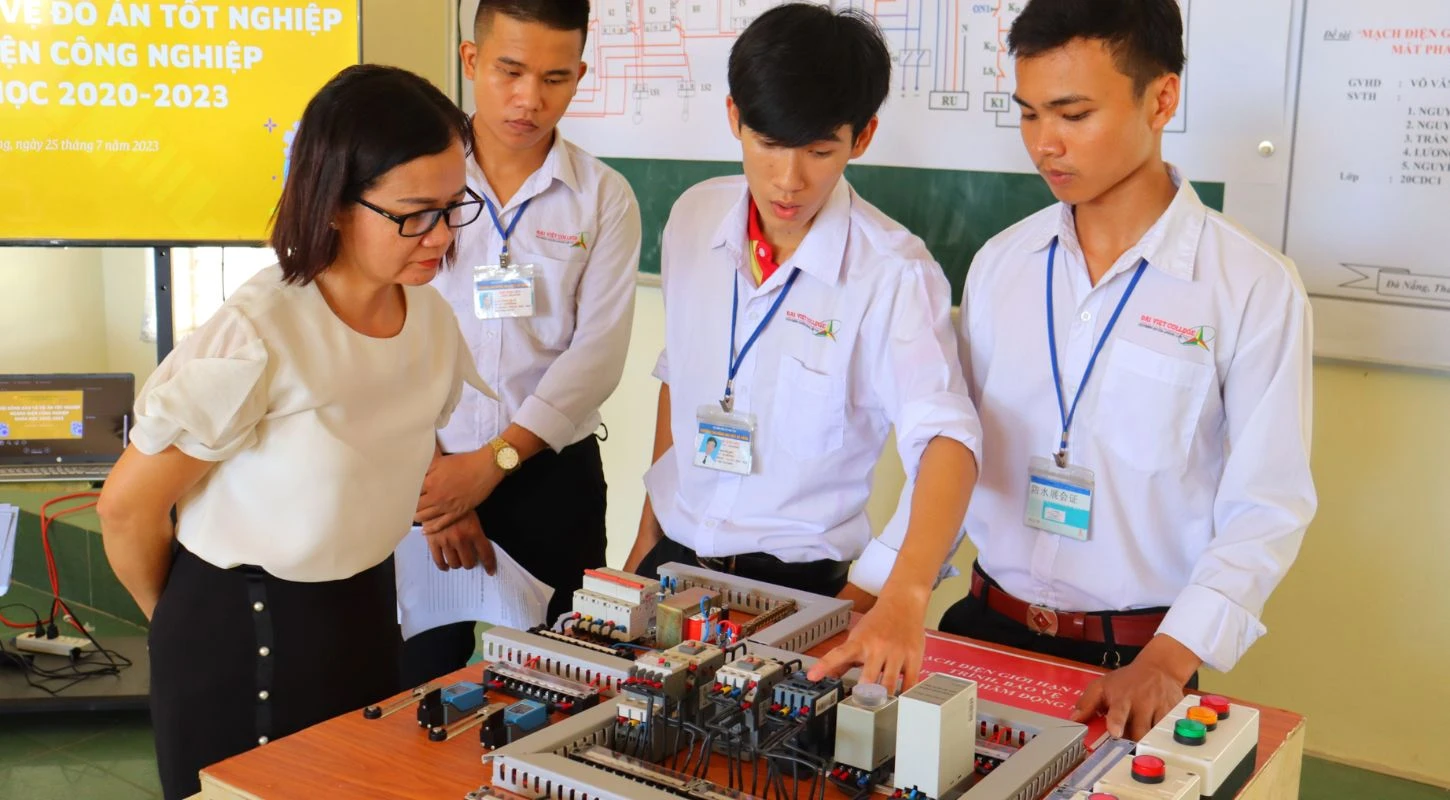
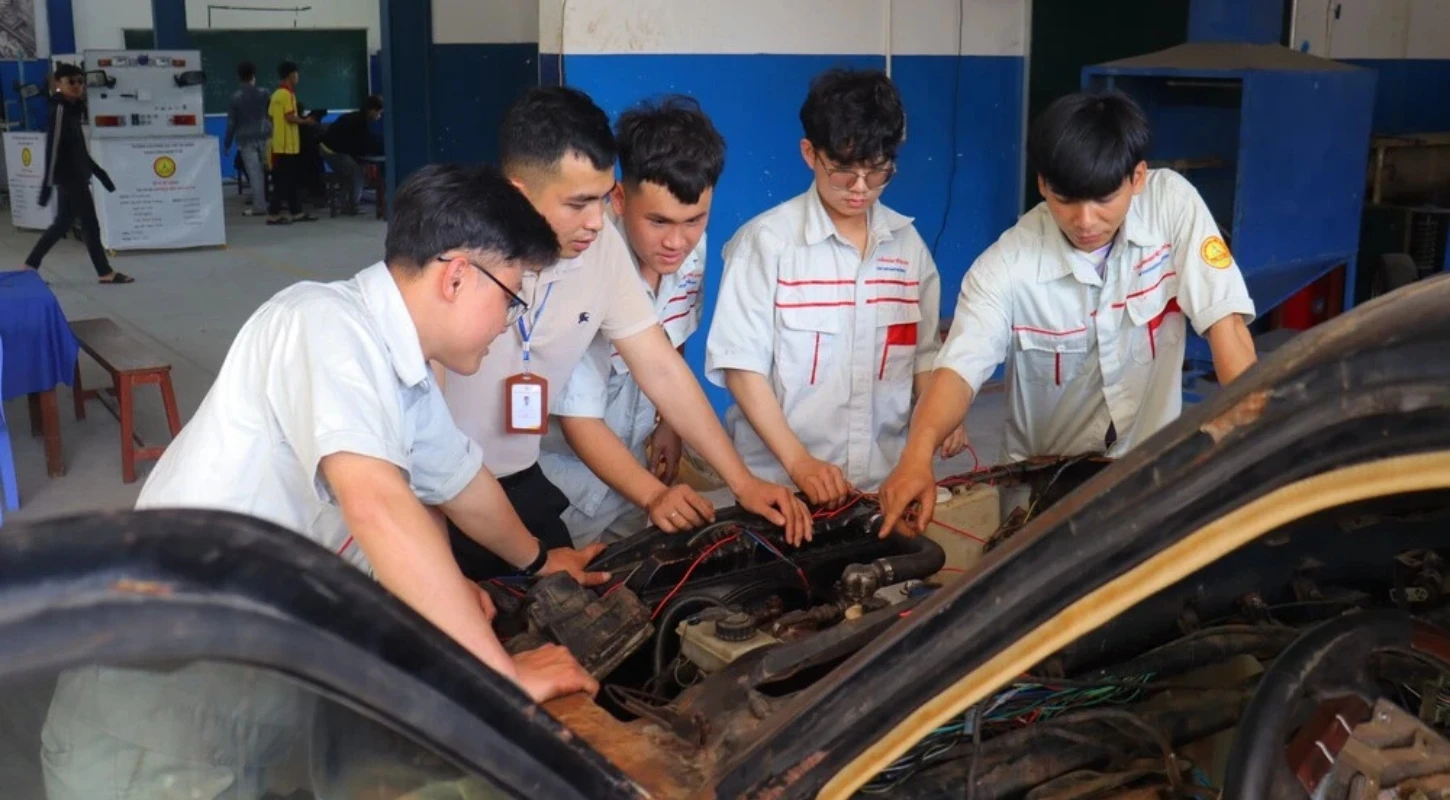
Students in Industrial Electrical Engineering need to develop fundamental knowledge of electricity, electrical equipment, electrical systems, and related technical subjects. At the same time, practical training allows students to gradually become familiar with technical procedures while developing accuracy, carefulness, discipline, and professional working habits.
The nature of Industrial Electrical Engineering requires workers not only to understand principles but also to know how to apply their knowledge to real-world tasks and technical problems.
Therefore, every practical session is more than simply a requirement of the curriculum. It is also an opportunity for students to develop valuable professional skills.
Learning by Doing – From Knowledge to Professional Competence
One of the key elements of vocational education is helping learners transform knowledge into practical competence. A lesson becomes truly meaningful when students understand how that knowledge can be applied in their future work. A skill becomes truly valuable when students can use it accurately, safely, and effectively. Therefore, learning by doing should not merely be a slogan. It should become an essential part of the student learning experience. At the Faculty of Engineering and Technology, students are encouraged to take an active role in their learning, participate in practical activities, and gradually improve their ability to apply knowledge. The learning process may begin with simple tasks and gradually move toward more complex activities, allowing students to develop problem-solving skills and improve their technical competence.
During their first practical sessions, students may feel uncertain. Some procedures may need to be repeated several times. Some assignments may not produce the expected results. And that is completely normal. It is a natural part of learning a profession.
No one becomes a skilled technician in a single day. No one becomes a strong technology professional simply by memorizing theory.
Professional competence is built through learning, practice, experience, and continuous improvement.
From the Classroom to the Workplace
The ultimate goal of vocational education is not simply to complete a study program. It is to help students prepare more effectively for entering the workplace. The business environment demands more than professional knowledge. Employees need to know how to communicate. They need to work effectively in teams. They need to follow procedures. They need to take responsibility for their work. They need to accept feedback. They need to take initiative in solving problems. And most importantly, they need a continuous willingness to learn.
Therefore, studying at Dai Viet College of Da Nang is a period in which students not only acquire professional knowledge but also gradually develop their attitudes and professional working habits. Every group assignment teaches students how to cooperate. Every practical session helps them develop accuracy and discipline. Every presentation helps them become more confident in communication.
Every challenge teaches them how to find solutions. These experiences can make a meaningful difference when students enter the real working environment.
Learning a Profession to Build a Strong Foundation for the Future
One of the strengths of vocational education is its strong focus on professional skills and practical application. Instead of focusing only on theory, students have opportunities to spend more time practicing and becoming familiar with the actual requirements of their chosen professions. This is particularly important for engineering and technology-related fields. In practice, a good technician needs to know how to handle technical tasks. A technology professional needs to know how to use tools to solve problems. A worker in a production environment needs to understand procedures, comply with safety requirements, and cooperate effectively with colleagues. These competencies cannot be developed simply by memorizing textbooks. They are built through practice, experience, and exposure to real working situations. Therefore, studying at the Faculty of Engineering and Technology is not simply about preparing for exams or earning a diploma. It is about preparing for a longer professional journey ahead.
Engineering and Technology – A Field for Those Who Are Willing to Learn
Many young people may feel uncertain when considering engineering and technology programs.
“Is Industrial Electrical Engineering difficult?”
“Can I study Applied Informatics if I am not very good with computers?”
“Is engineering suitable for female students?”
“I have never had practical technical experience. Can I start from the beginning?”
The answer depends largely on each person's willingness to learn. Not everyone who enters an engineering program already knows everything. Not every Applied Informatics student is already highly skilled with computers. What matters is whether you are willing to start from the beginning and stay committed to the learning process. Everyone has a different starting point. Some students may have been exposed to technology from an early age. Others may only be beginning to explore technical knowledge. Vocational education provides an environment where learners can gradually build a solid foundation with guidance from lecturers and through learning and practical activities. So, do not be afraid to start from zero.
The problem is not that you do not know something. The real problem is refusing to learn.
The Faculty of Engineering and Technology – Accompanying Students on Their Journey of Growth
Behind every student is a unique journey. Some have a clear goal from the first day. Some need more time to discover their direction. Some grow quickly through experience. Others need to try, make mistakes, and try again before finding the path that suits them. The Faculty of Engineering and Technology aims not only to provide knowledge but also to create an environment where students can learn, explore, challenge themselves, and grow. Lecturers provide knowledge and professional guidance. Friends accompany each other throughout the learning process. Practical learning environments provide opportunities to develop skills. And ultimately, students themselves determine how far they will go. Even when students follow the same curriculum, their outcomes can be very different depending on their initiative, sense of responsibility, and determination.
K26 – Start Today to Be Ready for Tomorrow
For the K26 freshmen of Dai Viet College of Da Nang, your professional journey lies ahead.You may not know exactly what job you will do after graduation. And that is perfectly fine. Start by building a strong foundation of knowledge. Take every class seriously. Make the most of every practical session. Ask questions when you do not understand. Be willing to gain new experiences. Develop your soft skills. Improve your foreign language and digital skills. Take the initiative to learn about the labor market and employers' expectations. Step by step, you will understand yourself better. Skill by skill, you will become more confident. Experience by experience, you will grow. And one day, you will realize that what you learned today has become the foundation for your work tomorrow.
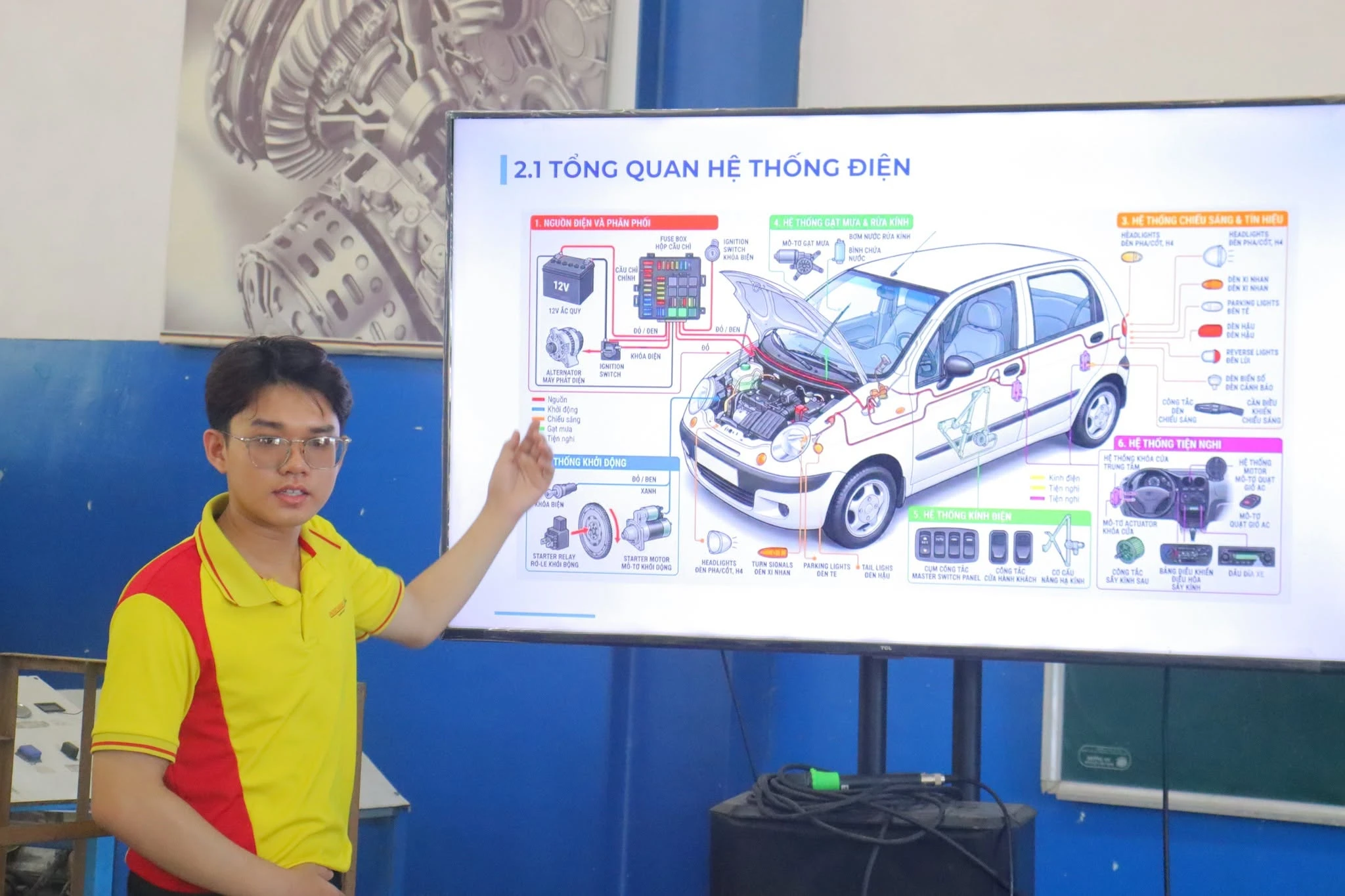
Practice-Oriented Education – Preparing Students for Future Careers
Throughout its development, the Faculty of Engineering and Technology – Dai Viet College of Da Nang aims to achieve a clear objective: creating an environment where students can develop their abilities in ways that are closely connected to practical needs and future careers.
For Applied Informatics, students are encouraged to develop their ability to apply technology and digital skills in the workplace.
For Industrial Electrical Engineering, students are encouraged to develop technical knowledge and practical skills related to electrical systems, equipment, and production environments.
The two majors are different, but they share one common goal:
To provide students with a solid foundation so they can enter their future careers with greater confidence.
Because success does not come from a diploma alone. Success is built on knowledge, skills, attitude, perseverance, and adaptability. And all of these qualities can begin to take shape during your student years.
The Future Begins with the Choice You Make Today
Everyone has a different path. But whatever path you choose, a strong foundation begins with serious learning and continuous practice. If you are passionate about technology and want to explore the world of computers and digital applications, Applied Informatics may offer you an exciting path to discover and develop.
If you enjoy engineering, machinery, equipment, and want to pursue a practical profession, Industrial Electrical Engineering may be a suitable choice for you to explore and grow.
And whatever major you choose, remember:
Your major is only the starting point. Your effort determines where your journey will take you.
Faculty of Engineering and Technology – Building Your Professional Foundation Together
From the first lessons to hands-on practice, from the early days of uncertainty to confidently entering the workplace, the journey of students at the Faculty of Engineering and Technology is a journey of learning, experience, and growth.
Dai Viet College of Da Nang welcomes young people who want to learn a profession, explore technology, develop practical skills, and take responsibility for building their own future.
The Faculty of Engineering and Technology welcomes students who are ready to start from the basics, stay committed to their choices, and continuously improve themselves.
Because every skill you learn today can become an advantage tomorrow.
Every hour of practice today can become valuable experience in your future career.
And every effort you make today can contribute to building a better future.
Faculty of Engineering and Technology – Dai Viet College of Da Nang
Practice-Oriented Education – Professional Skills Development – Future Career Preparation.