 Vietnamese
 English


As technology continues to play an increasingly important role in everyday life and production, the Engineering and Technology sector is opening up numerous opportunities for young people to pursue their education and develop their careers.
At Dai Viet College Da Nang, Applied Informatics and Industrial Electrical Engineering are the two majors offered by the Faculty of Engineering and Technology, with a strong focus on combining specialized knowledge with practical training and real-world working skills.
Applied Informatics – Developing the Ability to Apply Technology
Applied Informatics is not simply about learning how to use computers. It focuses on developing the ability to apply technology to meet the requirements of study and work.
Throughout their studies, students are guided to develop their ability to use technological tools, process information, perform tasks in digital environments, and adapt to changes in technology.
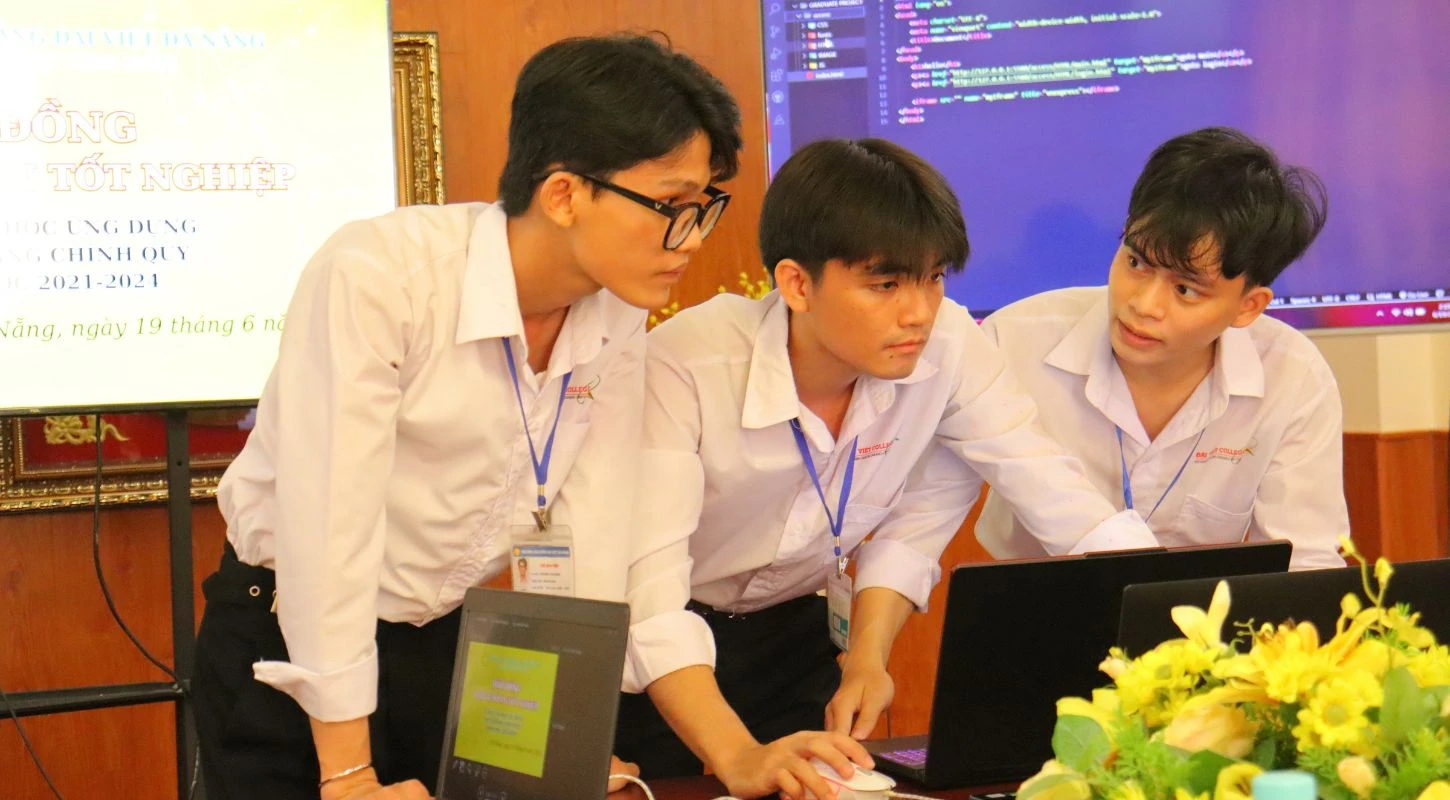
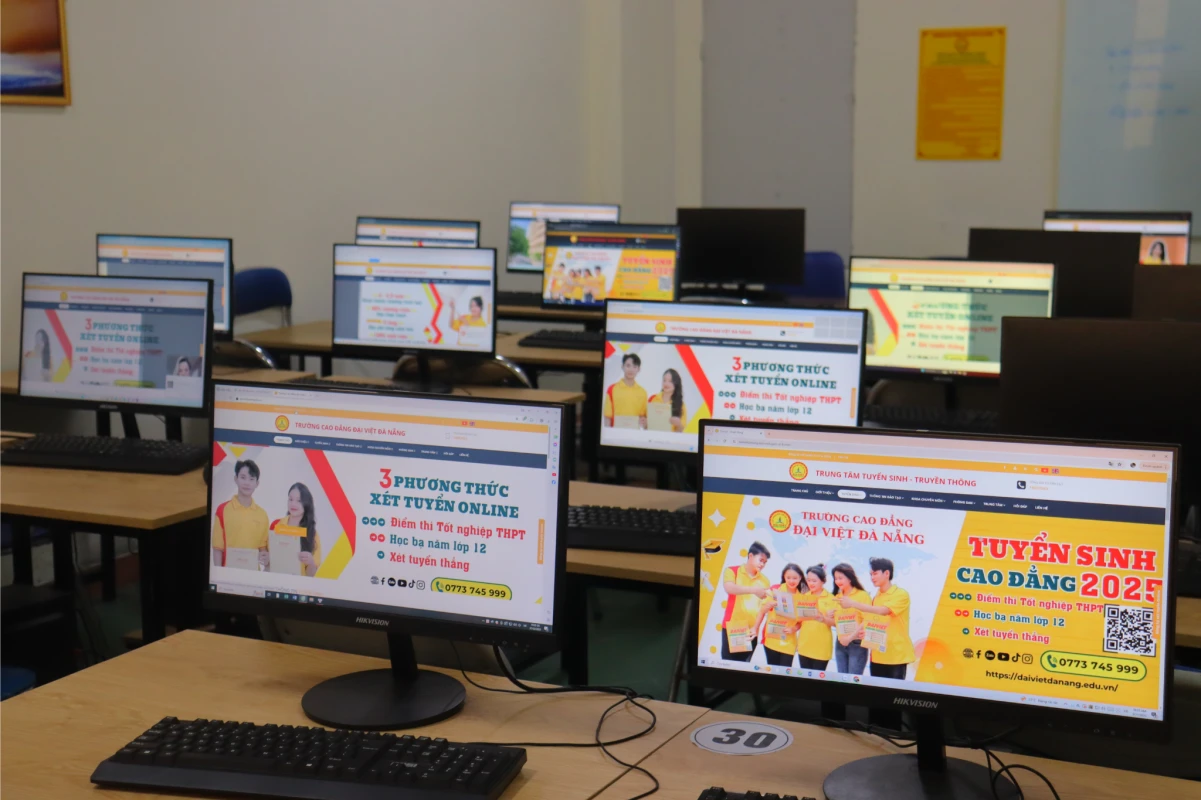
Applied Informatics students developing software as part of their studies
In addition to specialized knowledge, students are encouraged to develop problem-solving skills, communication skills, teamwork, and the ability to proactively keep up with new technologies. After graduation, students can pursue a variety of career opportunities related to information technology and the application of computer technology in businesses, depending on their individual abilities and career orientations.
Industrial Electrical Engineering – Connecting Knowledge with Practical Skills
Unlike Applied Informatics, Industrial Electrical Engineering focuses on electrical systems, electrical equipment, and technical activities in manufacturing and industrial environments.
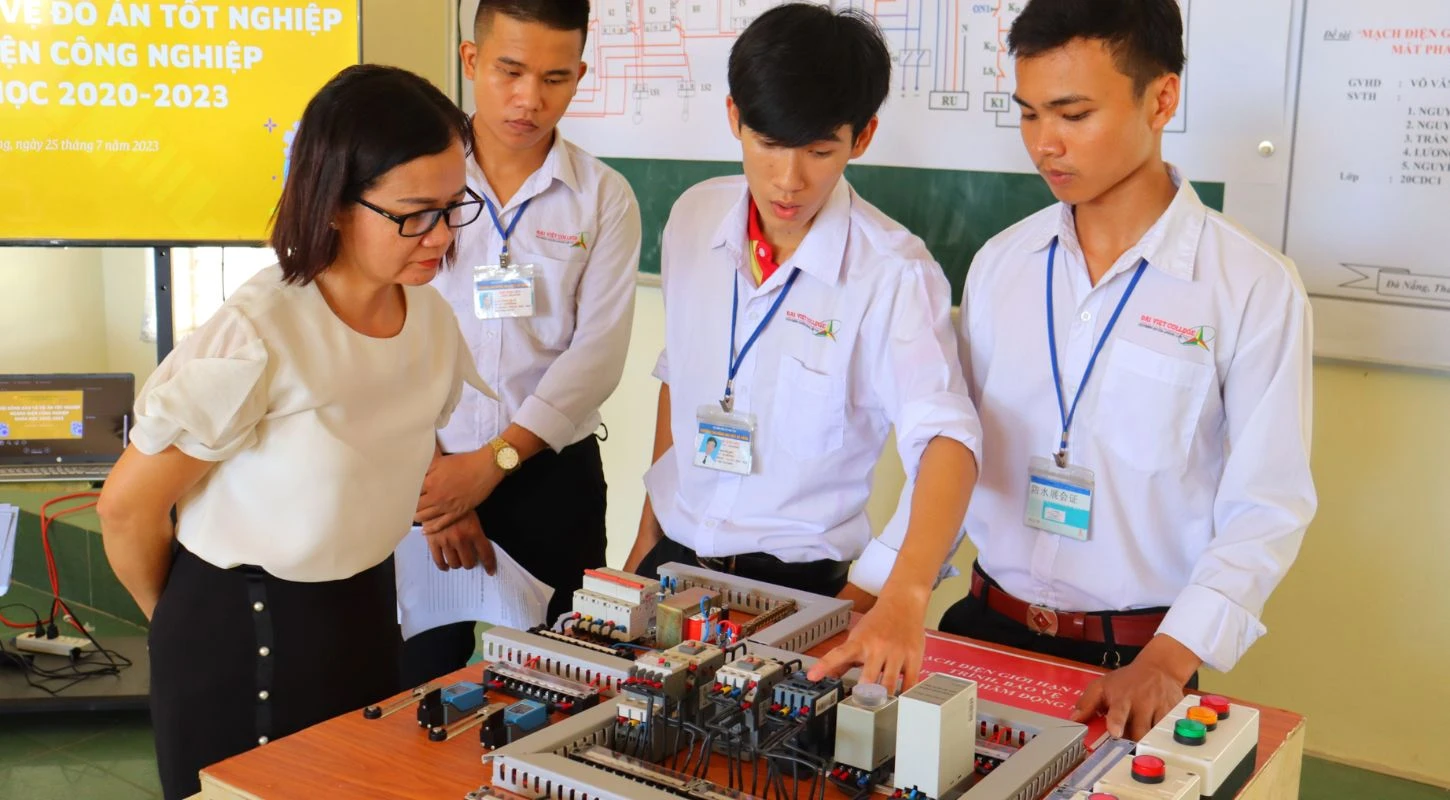
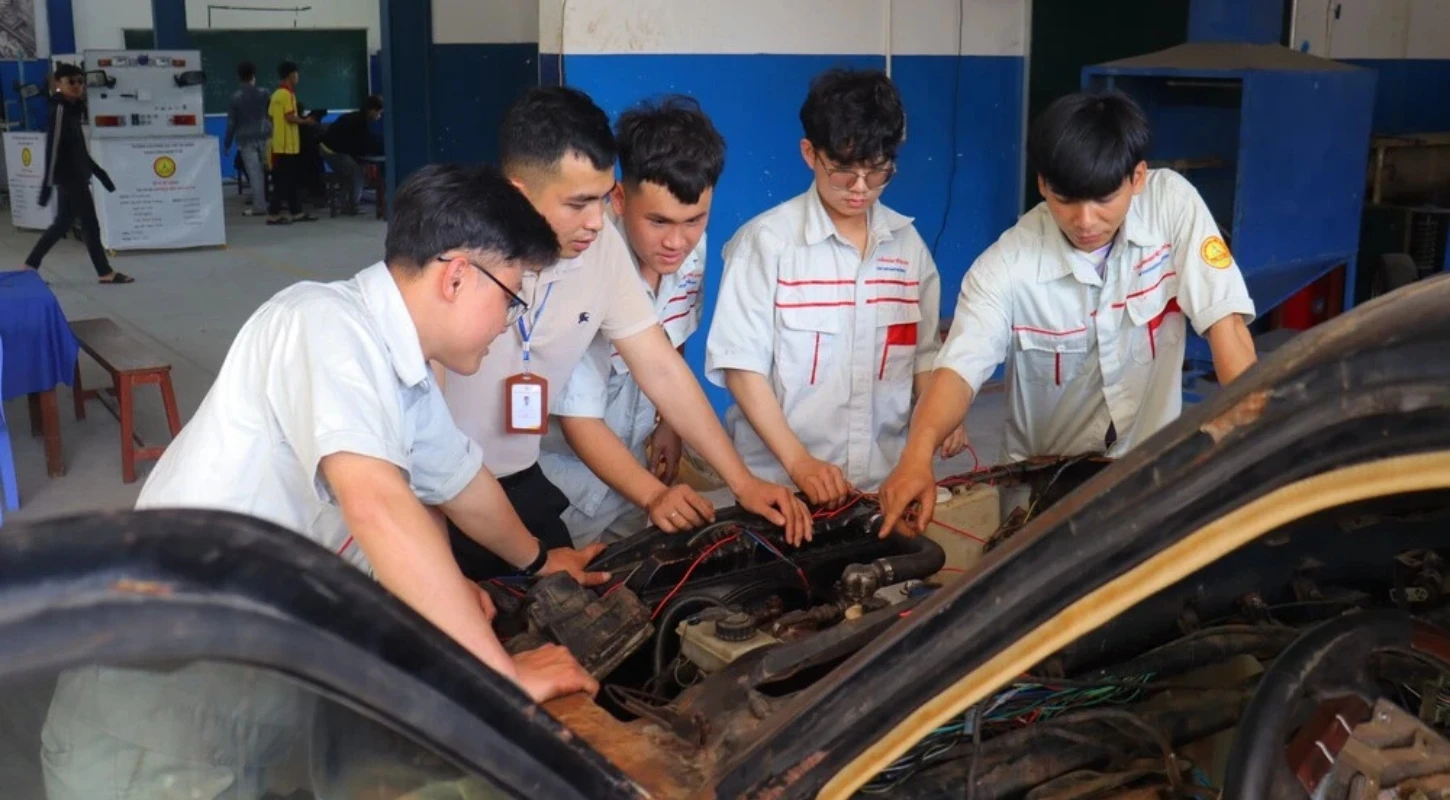
The nature of this field requires students not only to acquire solid theoretical knowledge but also to develop practical skills, accuracy, carefulness, and a strong awareness of safety. Students gain hands-on experience through activities involving electrical equipment, identifying components of electrical systems, performing technical procedures, inspecting systems, and handling problems that may arise.
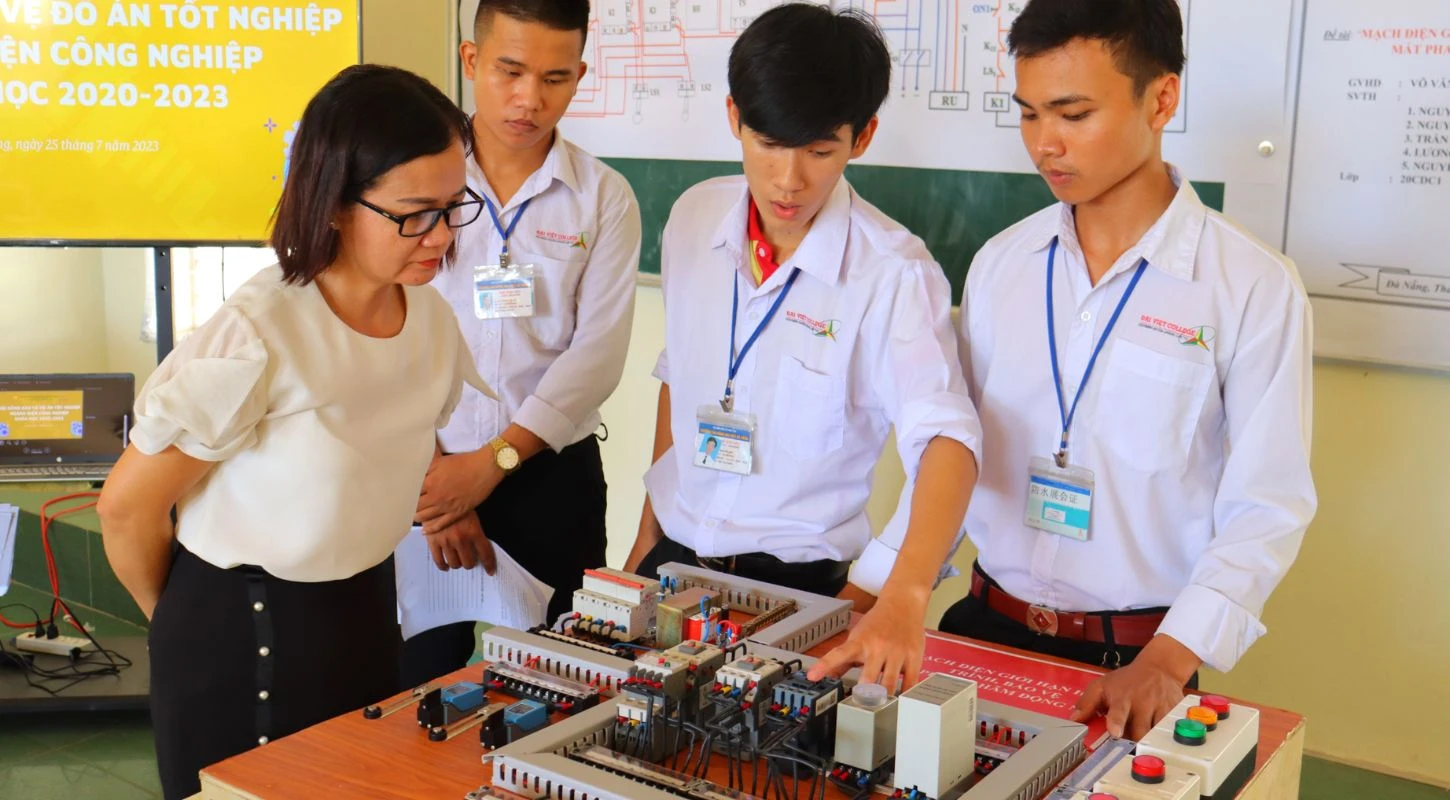
Industrial Electrical Engineering students and their graduation project model
Through practical training, students gradually develop professional skills, technical working practices, and the ability to apply their knowledge to real-world situations.
Two Majors – Two Career Development Paths
Applied Informatics and Industrial Electrical Engineering have different areas of specialization, but they share an important goal: learning to develop the ability to work effectively in real-world environments.
- Applied Informatics: Focuses on digital technology, software, and the application of information technology in the workplace.
- Industrial Electrical Engineering: Focuses on electrical systems, electrical equipment, and technical skills in industrial and manufacturing environments.
Throughout their studies, students are expected to proactively combine theoretical knowledge with practical training while developing problem-solving skills and the ability to adapt to the changing demands of the professional environment.
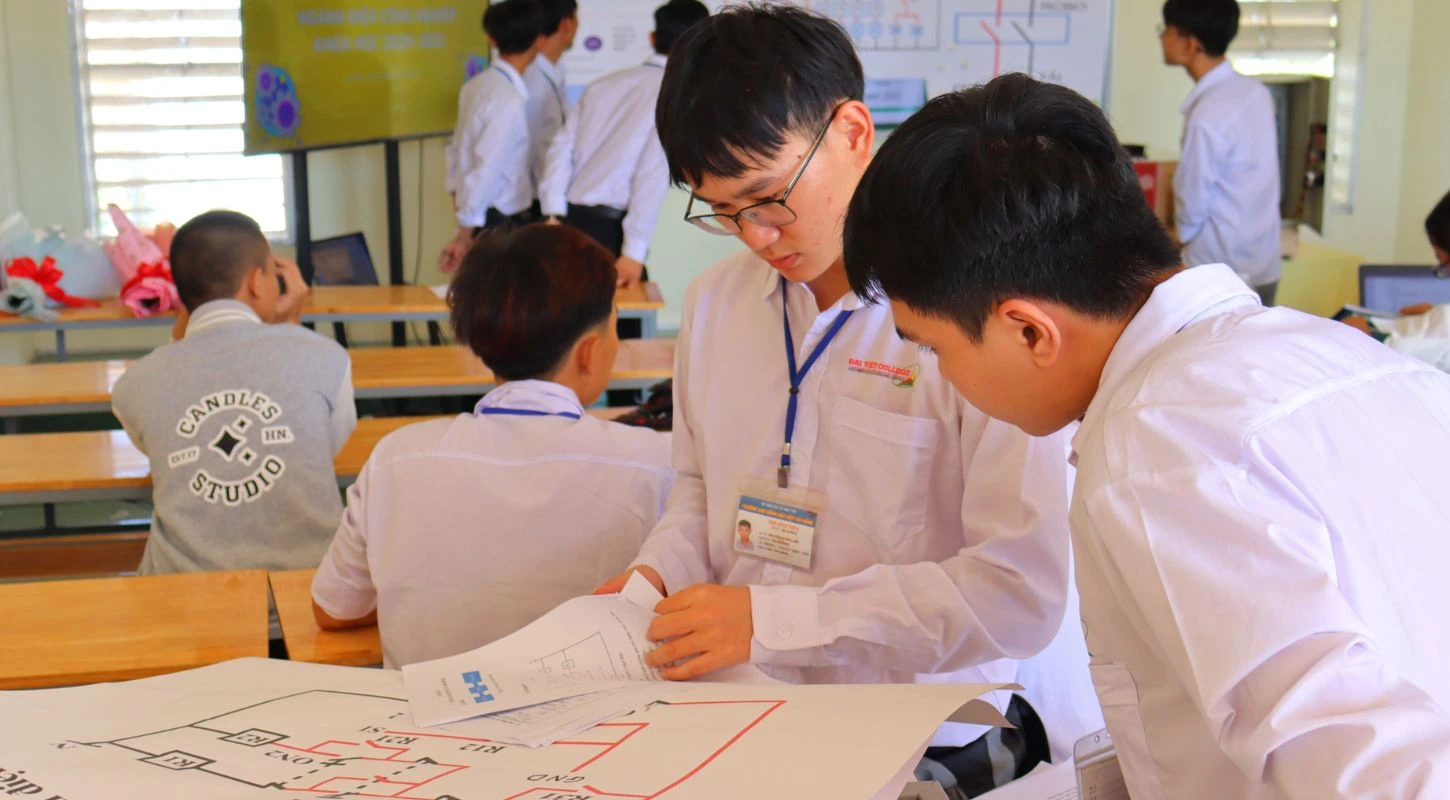
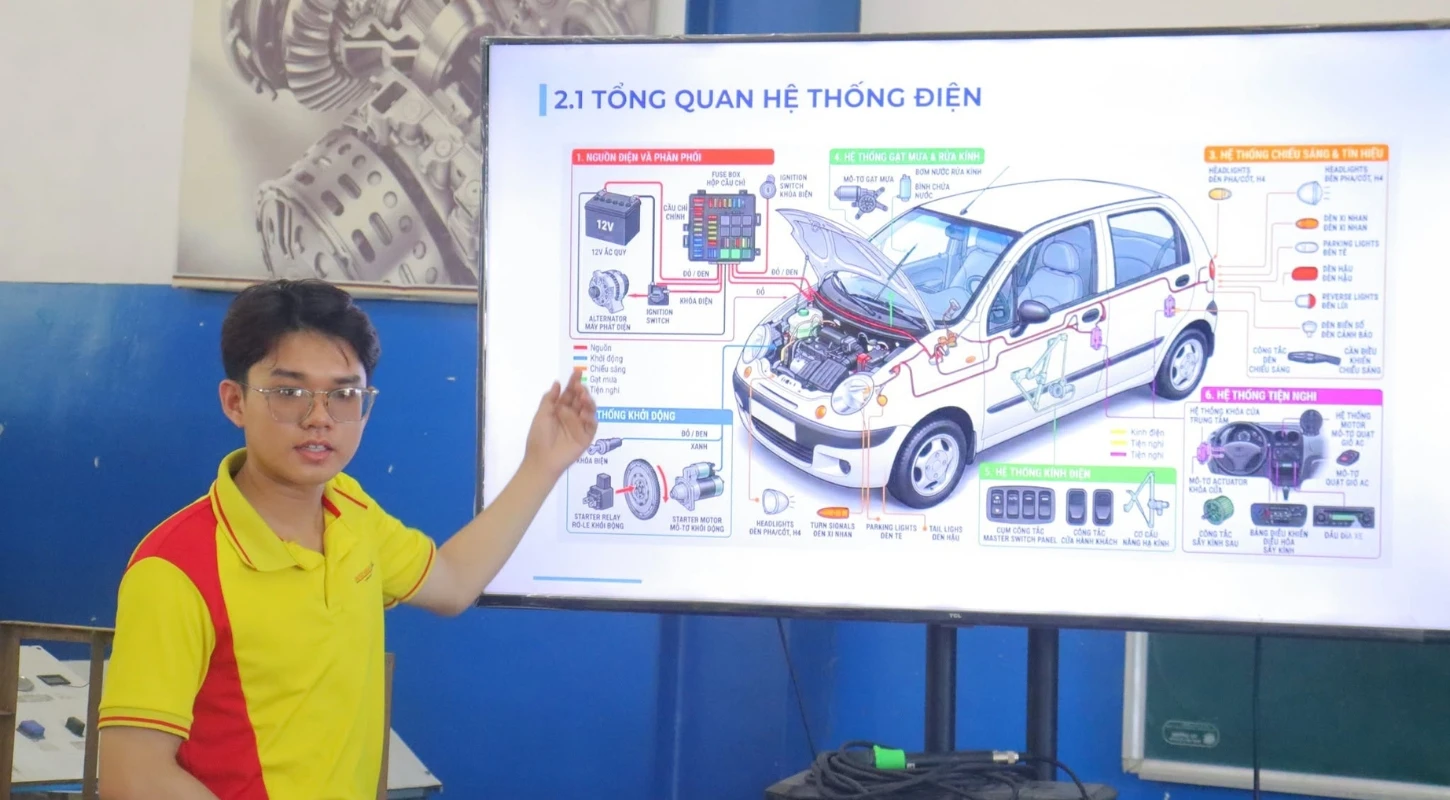
A practical training session for Industrial Electrical Engineering students
Students of Applied Informatics need to proactively keep up with new technologies, while Industrial Electrical Engineering students need to be ready to work with new equipment, systems, and technical solutions. Maintaining a continuous willingness to learn throughout their education will help students gradually build a solid foundation for their professional development after graduation.
With a training orientation closely connected to real-world practice and a strong emphasis on professional skills, the Faculty of Engineering and Technology aims to help students build specialized knowledge and practical capabilities throughout their educational journey.
Applied Informatics and Industrial Electrical Engineering – two majors, two career paths, with a shared goal of developing students’ professional capabilities in a modern technological and engineering environment.