 Vietnamese
 English



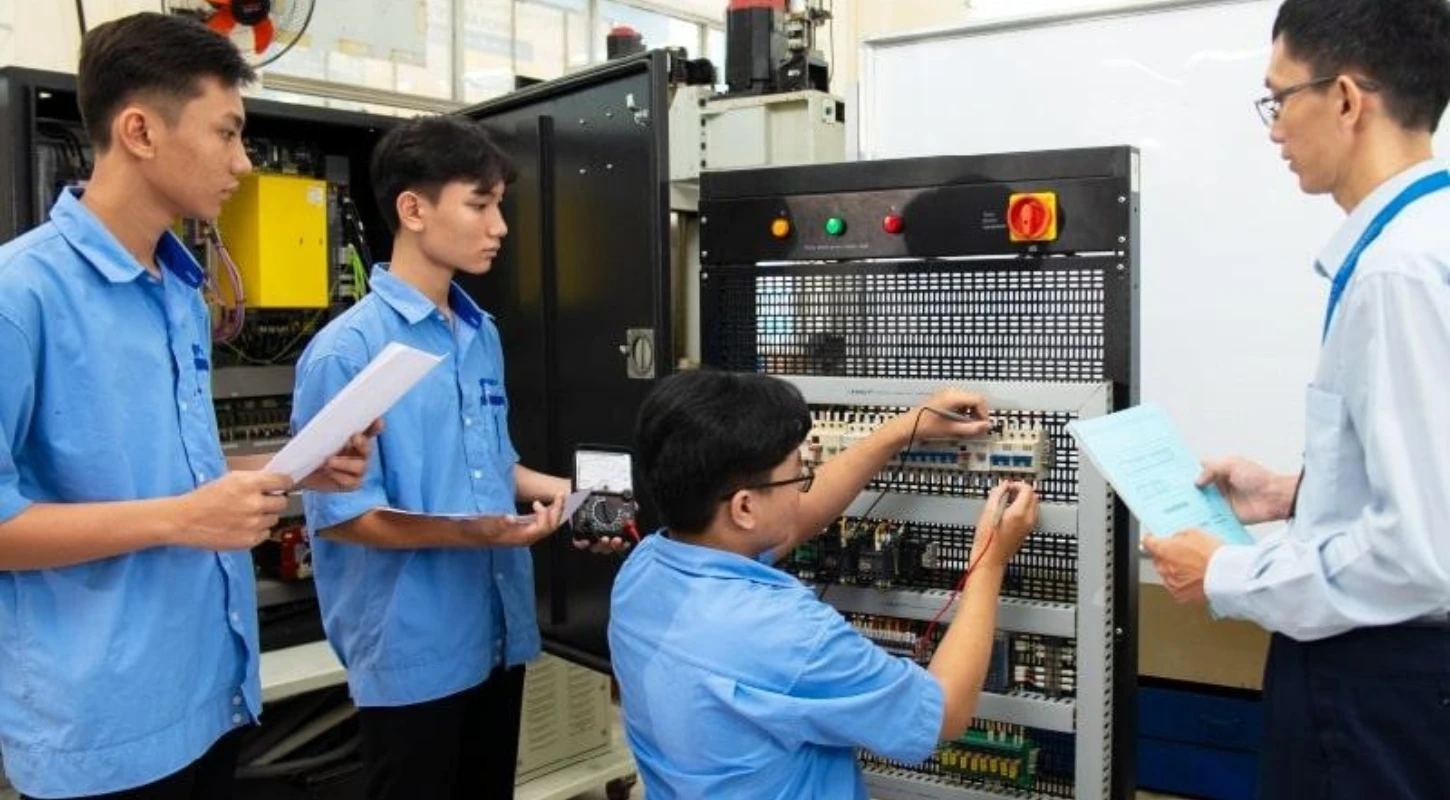
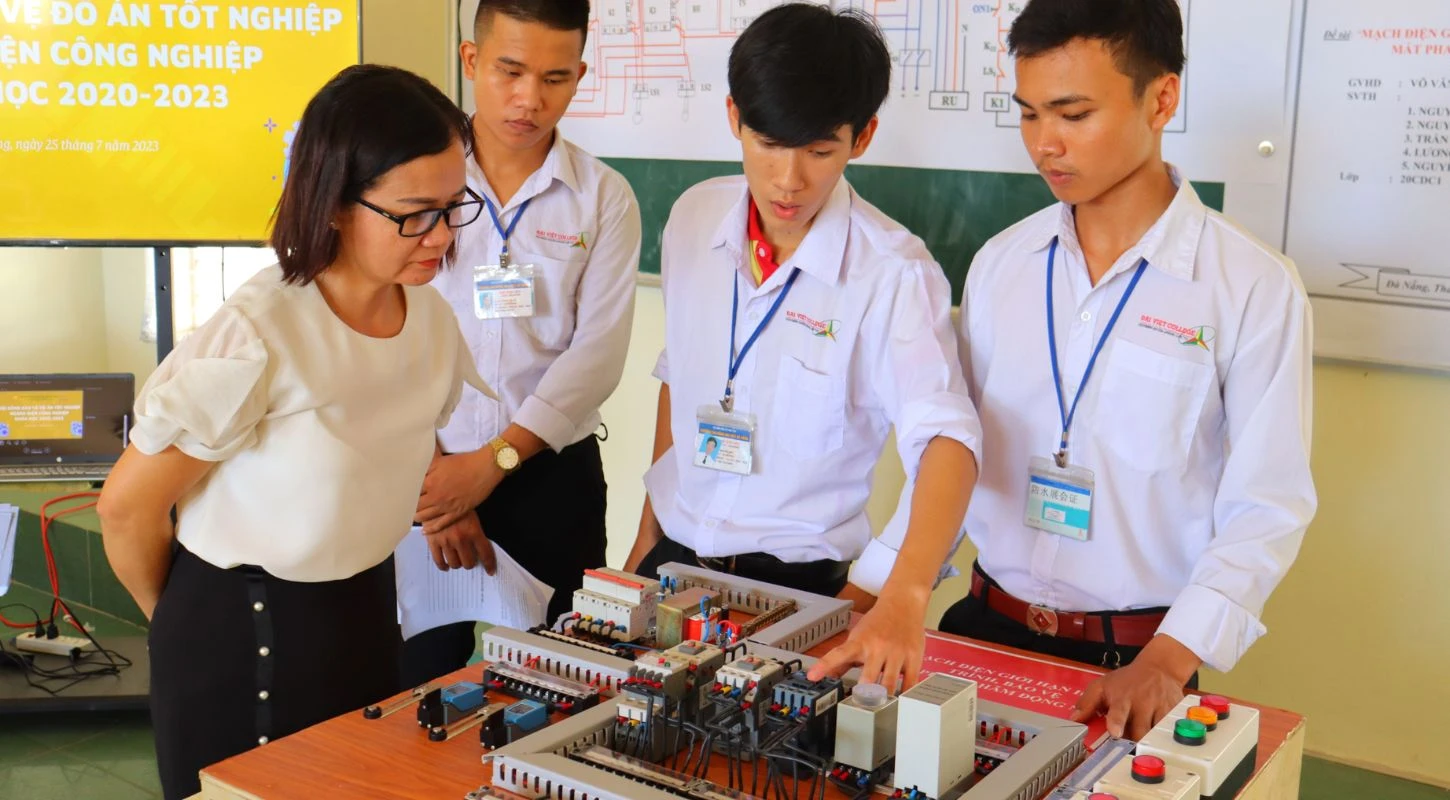
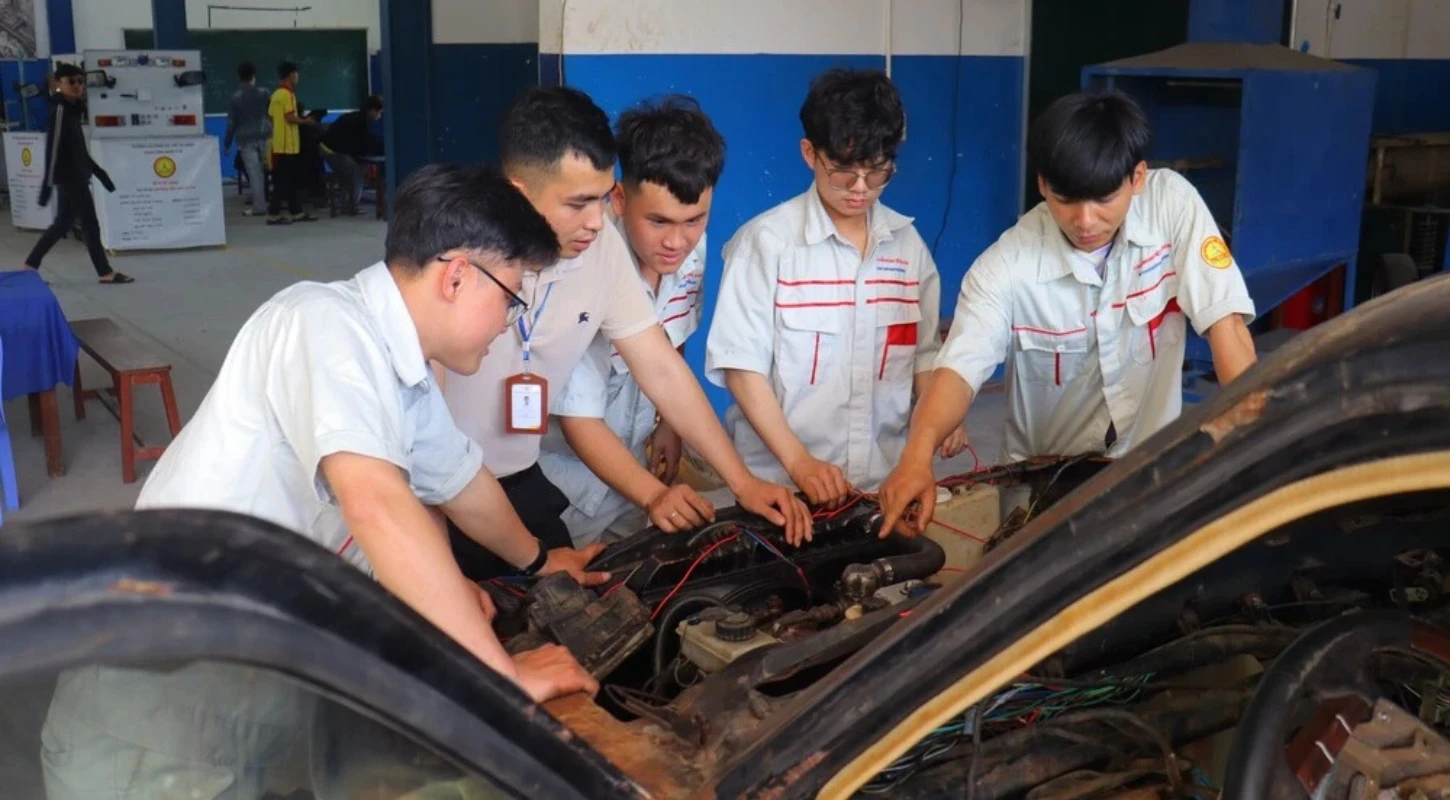
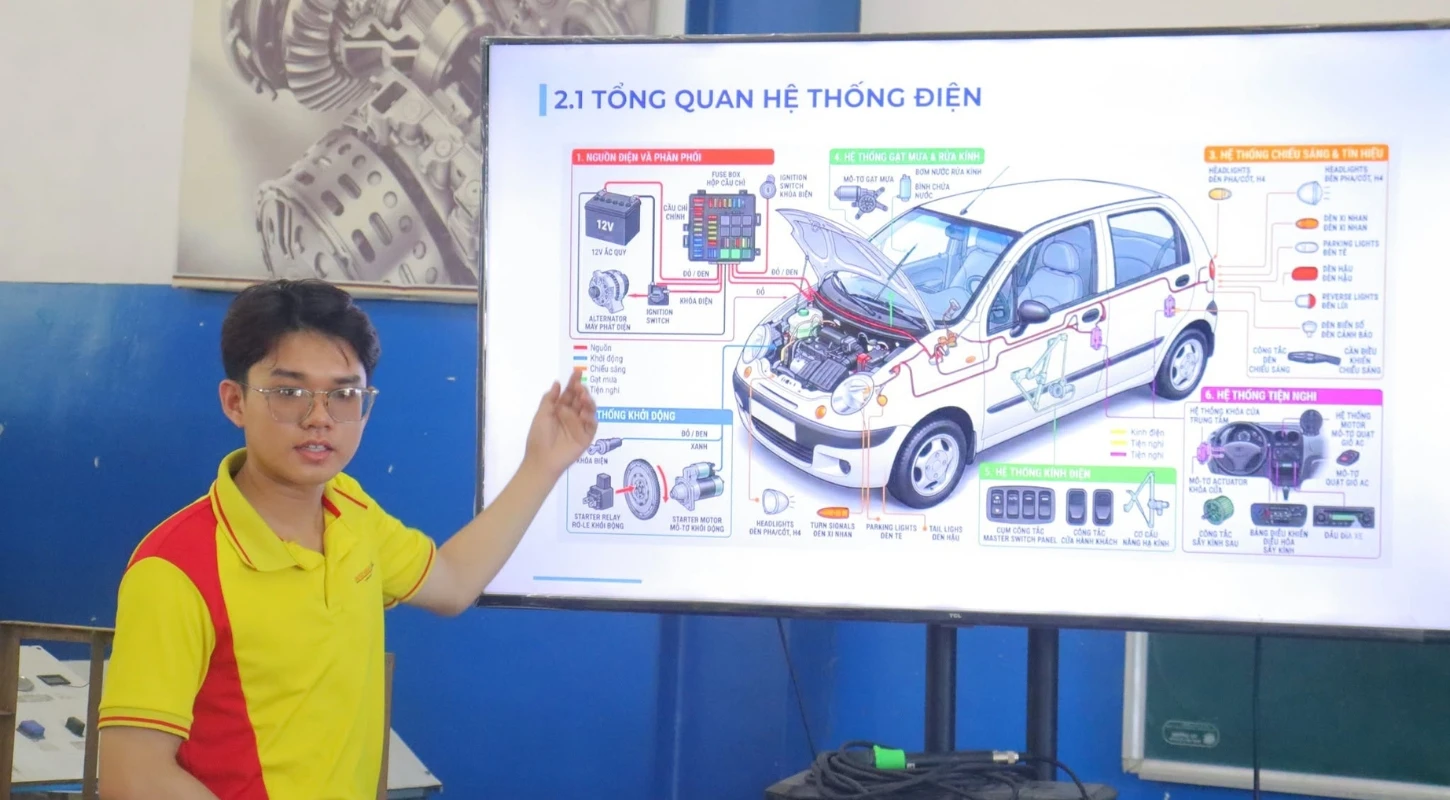

During their studies in Industrial Electrical Engineering, students acquire knowledge related to electrical circuits, switching devices, control systems, electric motors, and equipment operating procedures.
All of these are essential topics that require students to master both theoretical knowledge and practical skills. However, faced with a large amount of technical information and numerous electrical diagrams to remember, many students tend to memorize symbols, equipment locations, or wiring configurations without truly understanding how the systems operate.
This learning approach may help students remember information in the short term, but it can create difficulties when they move on to practical work or encounter situations that differ from classroom exercises. A circuit diagram may be modified, a device may be replaced with another type, or a fault may arise from several different causes. In such situations, solving problems requires more than memory. It requires an understanding of operating principles and the ability to apply knowledge effectively.
So, why is understanding operating principles more important than memorizing circuit diagrams? How can Industrial Electrical Engineering students develop technical thinking and independently handle real-world situations?
1. Memorizing Electrical Circuit Diagrams: A Starting Point, Not the Final Goal
Electrical circuit diagrams are important tools for illustrating the relationships between devices, the paths of electric current, and the control methods used in a system. By studying these diagrams, learners can identify the positions of components, recognize symbols, and visualize how a system is organized.
For students who are beginning to study Industrial Electrical Engineering, memorizing common symbols such as circuit breakers, contactors, thermal overload relays, push buttons, electric motors, and normally open and normally closed contacts is necessary. This knowledge provides the foundation for understanding technical documents and progressing to more complex practical exercises.
However, recognizing symbols does not mean understanding how a system works.
For example, when looking at a three-phase motor control circuit, a student may be able to identify the positions of the contactor and thermal overload relay. However, without understanding the function of each device, the student may be unable to explain why the motor starts when the Start button is pressed, why it stops when the Stop button is pressed, or why the thermal overload relay causes the motor to stop when it trips.
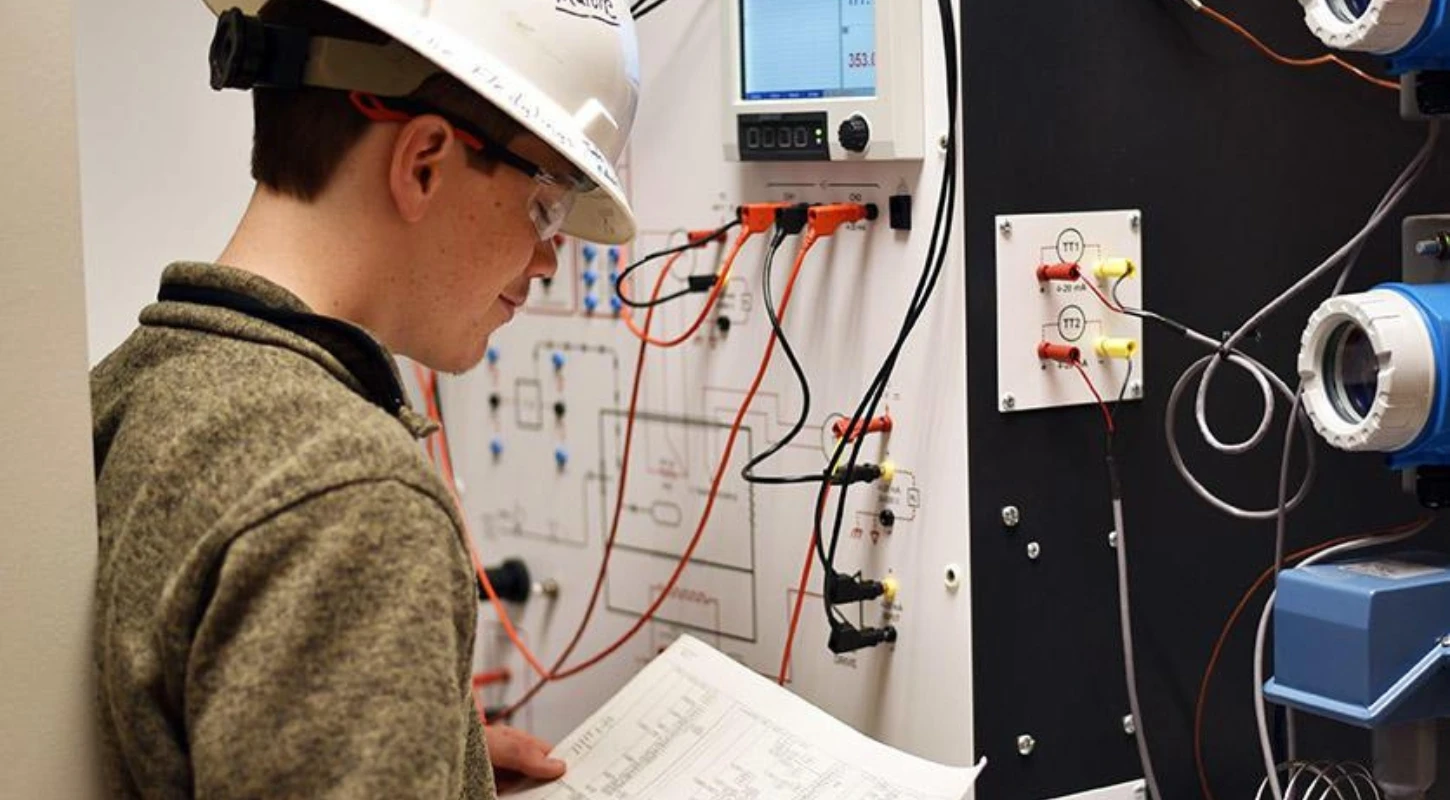
The limitations of simply memorizing circuit diagrams often become apparent in three situations:
Difficulty applying knowledge when diagrams change: Even a small difference in component positions or circuit layout can confuse students who are familiar with only one fixed diagram.
Difficulty identifying the causes of faults: When a system fails to operate, students may recognize the symptoms but not know which factors to check first.
Dependence on instructions: When faced with a new practical exercise, students may wait for the instructor to guide them through every step instead of independently analyzing the problem and finding a solution.
Therefore, memorizing circuit diagrams can be a useful starting point. However, to master Industrial Electrical Engineering, students need to go one step further: they must understand why devices are connected in particular ways and why a system operates according to a specific sequence.
2. Understanding Operating Principles Helps Students Grasp the Fundamentals of Electrical Systems
Operating principles explain how different devices work together to perform a specific task. Rather than simply memorizing the position of each component, learners need to understand its function, the conditions under which it operates, and its relationship with other components in the overall system.
For example, in a three-phase motor control circuit, each device has a different role:
Circuit breaker: Connects and disconnects the power supply and protects the circuit within the device's specified protective functions and characteristics.
Contactor: Switches the power circuit in response to control signals.
Thermal overload relay: Protects the motor against overload conditions according to the device's operating characteristics.
Start and Stop push buttons: Provide control signals to start or stop the system.
Electric motor: Converts electrical energy into mechanical energy to operate machinery.
When students understand the functions of these devices, they begin to recognize that the components do not operate independently. Instead, they work together according to a specific operating principle. The control circuit generates signals, the contactor performs the switching operation, the power circuit supplies electricity to the motor, and protective devices help reduce the risk of damage when abnormal conditions occur.
The important point is that students should not only know where a device appears on a circuit diagram. They should also be able to answer the following questions:
What is the function of this device?
Under what conditions does it operate?
If this device fails to operate, which other components may be affected?
When students can answer these questions, they begin to develop systems thinking, an essential skill for anyone studying engineering and technology.
3. From Understanding Operating Principles to Analyzing and Troubleshooting Faults
In industrial production environments, electrical systems may encounter various problems, such as motors failing to start, switching devices failing to operate, thermal overload relays tripping frequently, or control systems responding incorrectly to commands.
These situations do not always have the same underlying cause. If students only memorize the wiring configuration of a particular practical exercise, they may struggle to determine what to check when a fault occurs. In contrast, students who understand operating principles have a foundation for analyzing symptoms, narrowing down possible causes, and selecting appropriate inspection methods.
Consider the following situation: a three-phase electric motor does not start even though the operator has pressed the Start button.
A student with limited understanding of operating principles may immediately assume that the motor is damaged or the contactor has failed. In reality, the problem may be related to several factors, including the power supply, control circuit, push buttons, protective contacts, contactor coil, or the condition of the motor itself.
Instead of making an immediate guess, a person with sound technical thinking would approach the problem systematically.
Step 1: Identify the symptoms.
Is the motor completely inactive? Does the contactor fail to energize, or does the contactor energize while the motor remains stationary? Each symptom suggests a different direction for further investigation.
Step 2: Compare the symptoms with the operating principles.
Examine the conditions that must be satisfied for the control circuit to generate a signal and for the contactor to perform its switching function.
Step 3: Narrow down the possible causes.
Based on the observed symptoms and the circuit diagram, identify the components that may be involved rather than checking randomly or replacing devices without sufficient evidence.
Step 4: Inspect and evaluate.
Carry out appropriate inspection procedures in accordance with technical instructions, electrical safety requirements, and the supervision of qualified personnel.
Step 5: Verify the results.
After identifying and correcting the cause, test the system again according to the prescribed procedures before returning the equipment to operation.
This example demonstrates that understanding operating principles does not automatically provide the answer to every fault. Instead, it helps learners ask the right questions, reason logically, and identify possible causes based on evidence.
Above all, every inspection or repair involving electrical equipment must comply with safety procedures. These include isolating the power supply, preventing accidental re-energization, and verifying the absence of voltage using an appropriate method. Students must not independently inspect energized circuits unless they have received the necessary training, equipment, and authorization.
4. Understanding the Relationships Between Devices: The Key to Mastering Electrical Systems
An industrial electrical system typically consists of multiple devices working together. The incorrect operation of even a single component can affect the entire operating process.
For example, in a motor control system, the contactor performs switching operations, the thermal overload relay provides overload protection, and push buttons and auxiliary contacts participate in the control circuit. Without understanding the relationships between these components, students may struggle to explain why the activation of a protective contact interrupts the starting process or why a holding circuit allows the motor to continue running after the Start button is released.
Understanding these relationships offers several practical benefits.
First, students can read electrical circuit diagrams more independently.
Instead of memorizing individual wires, learners can visualize how the system operates and understand the functions of different groups of devices.
Second, students can adapt more effectively when circuit diagrams or equipment change.
In practice, the same control task can be implemented using different layouts or devices with different technical characteristics. When students understand the underlying principles, they have a foundation for learning new configurations. At the same time, they must recognize that equipment replacement must comply with the relevant technical specifications and requirements.
Third, systems thinking encourages students to pay greater attention to operational efficiency and safety.
The selection, coordination, and inspection of electrical devices must be based on load requirements, operating conditions, protective characteristics, and operating procedures rather than on memorized experience alone.
As industrial production increasingly adopts automation technologies, variable-frequency drives, programmable logic controllers (PLCs), and monitoring systems, the ability to understand the relationships between electrical equipment, control signals, and operating processes becomes even more important.
5. How Can Students Develop Principle-Based Thinking When Studying Industrial Electrical Engineering?
Understanding the importance of operating principles is only the first step. To turn knowledge into practical competence, students need to develop effective learning methods and maintain the habit of logical reasoning throughout their studies.
First, learn from the overall system to individual components.
Before memorizing individual symbols, identify the purpose of the system. Is it designed to start a motor, reverse its direction of rotation, control lighting, or automate a production process? Once the overall objective is clear, understanding the function of each device becomes easier.
Second, ask “why” in every lesson.
When encountering a new device or wiring configuration, do not simply record the answer. Ask why the device is used, why the contacts are arranged in that particular way, and what would happen if an operating condition were not satisfied. These questions help transform passive memorization into active thinking.
Third, combine circuit diagrams with practical exercises.
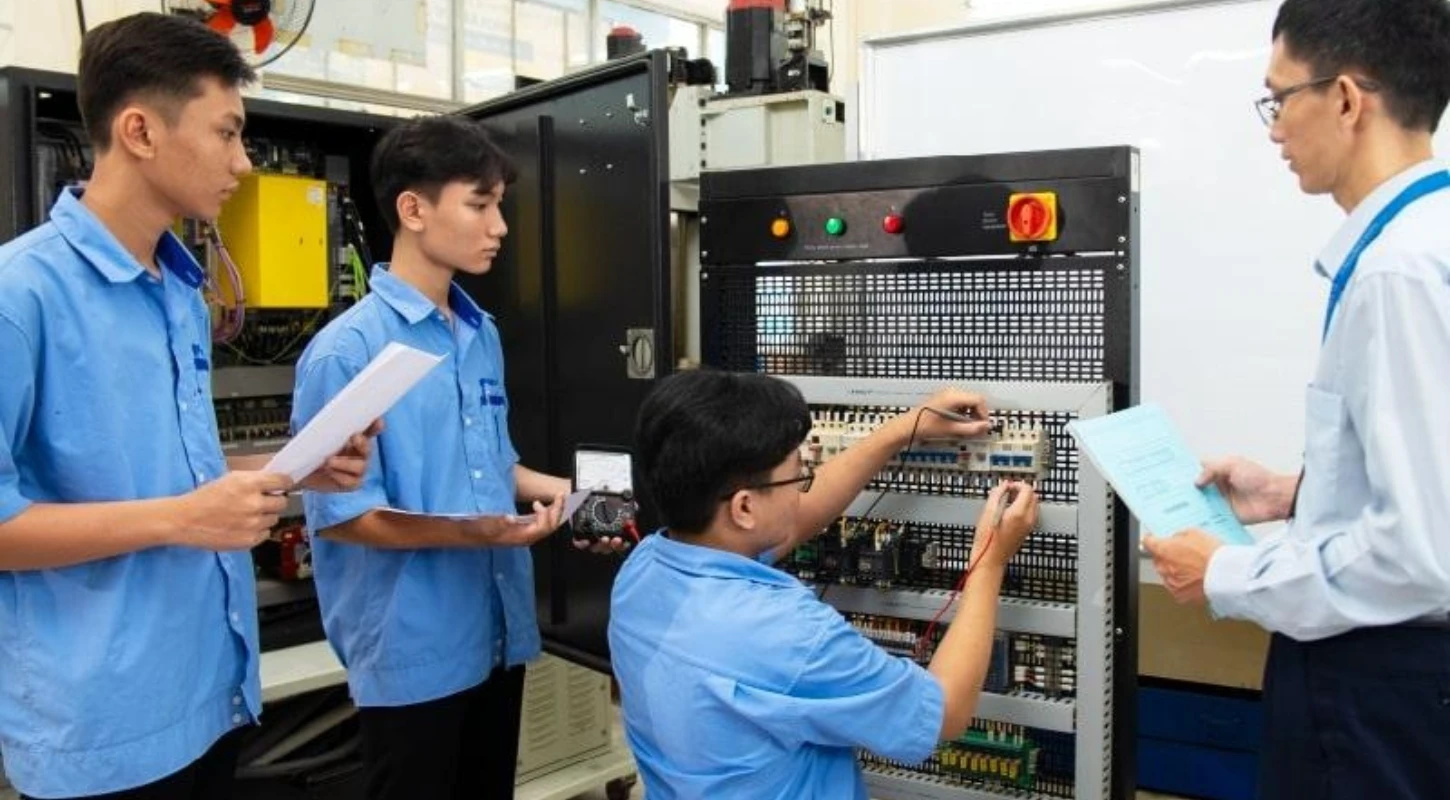
Electrical circuit diagrams provide information about system structure and connection principles, while practical training models allow students to observe real equipment, identify installation positions, and better understand operating processes. Under the instructor's guidance, students should compare each component in the diagram with its corresponding physical device and explain its function before and after performing an exercise.
Fourth, practice analyzing situations instead of simply following examples.
After each practical exercise, try answering questions such as:
If a device fails to operate, what could be the possible causes?
How would the system respond if a control condition changed?
Would adding a protective device affect the operating principle?
Analyzing hypothetical situations under an instructor's guidance helps students reinforce their knowledge and develop problem-solving skills.
Fifth, organize notes using mind maps or functional tables.
Instead of copying lecture content word for word, students can create a table containing the device name, its function, operating conditions, relationships with other devices, and possible symptoms when the device fails. This approach helps organize technical knowledge and makes revision more effective.
Sixth, actively discuss any concepts that remain unclear.
During their studies, if students cannot explain the operating principle of an electrical circuit, they should discuss the issue with their instructor or classmates. They should not rely solely on memorized solutions to complete exercises, because concepts that remain unclear today may become obstacles when studying more advanced topics in the future.
6. Learn to Understand, Practice to Build Confidence, and Think to Develop Your Career
Industrial Electrical Engineering is a field that requires a combination of professional knowledge, practical skills, logical thinking, and a strong commitment to safety. Students must do more than identify equipment or read circuit diagrams. They also need to understand how systems operate, analyze abnormal situations, and apply their knowledge to solve problems in accordance with established procedures.
Memorizing circuit diagrams can help students become familiar with their technical subjects. However, understanding operating principles, recognizing the relationships between devices, and consistently practicing analytical thinking provide the foundation for further academic and professional development.
For Industrial Electrical Engineering students, every theory lesson, practical session, and instructor-guided troubleshooting exercise is an opportunity to develop professional competence. Instead of focusing solely on how many circuit diagrams they can memorize, students should aim to explain why a system operates, which conditions affect its performance, and how to approach a technical problem scientifically.
Understand the principles not merely to follow instructions, but to analyze, apply knowledge, and take control of your work. This is an essential foundation for helping Industrial Electrical Engineering students develop strong technical thinking, meet practical workplace requirements, and adapt proactively to the advancement of modern technology.