 Vietnamese
 English





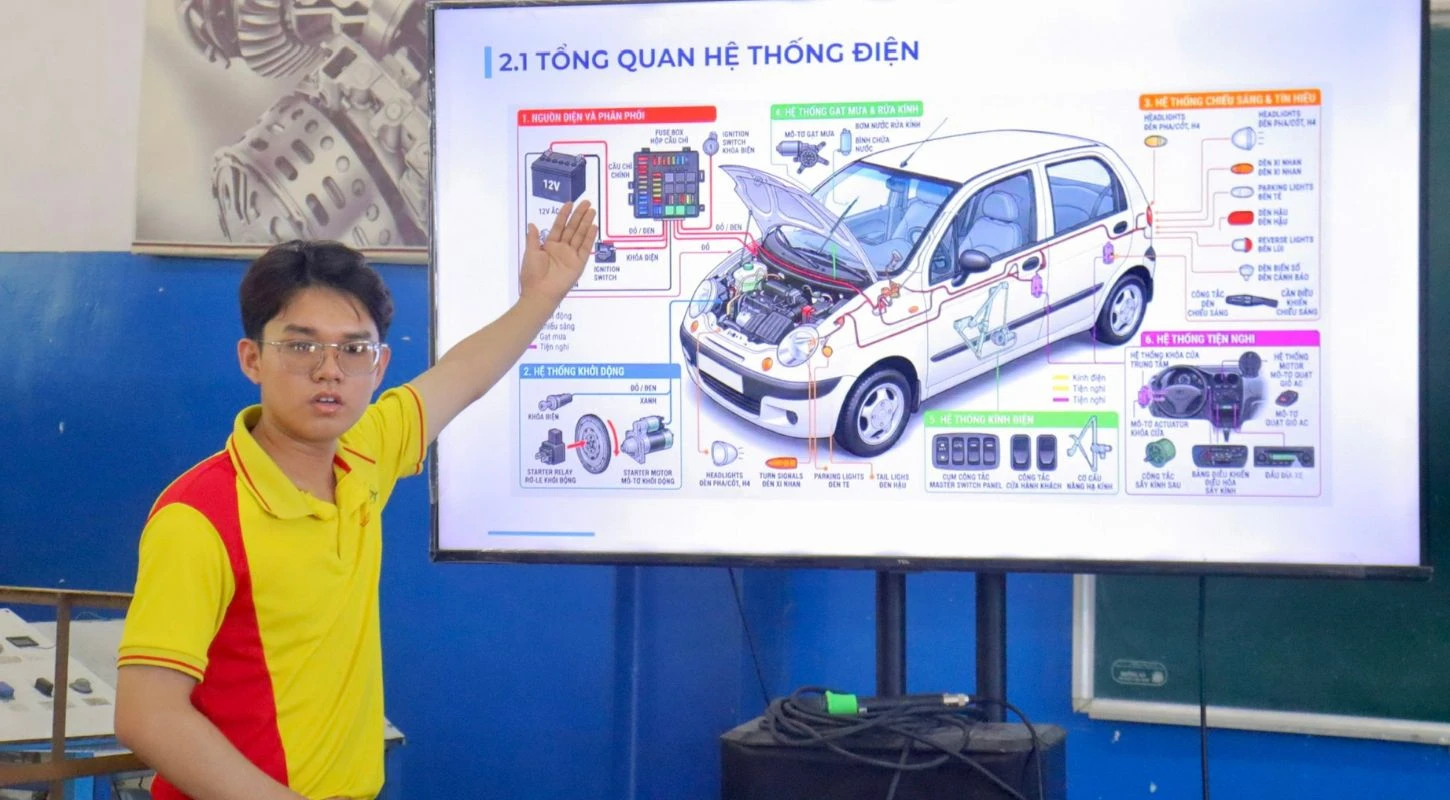
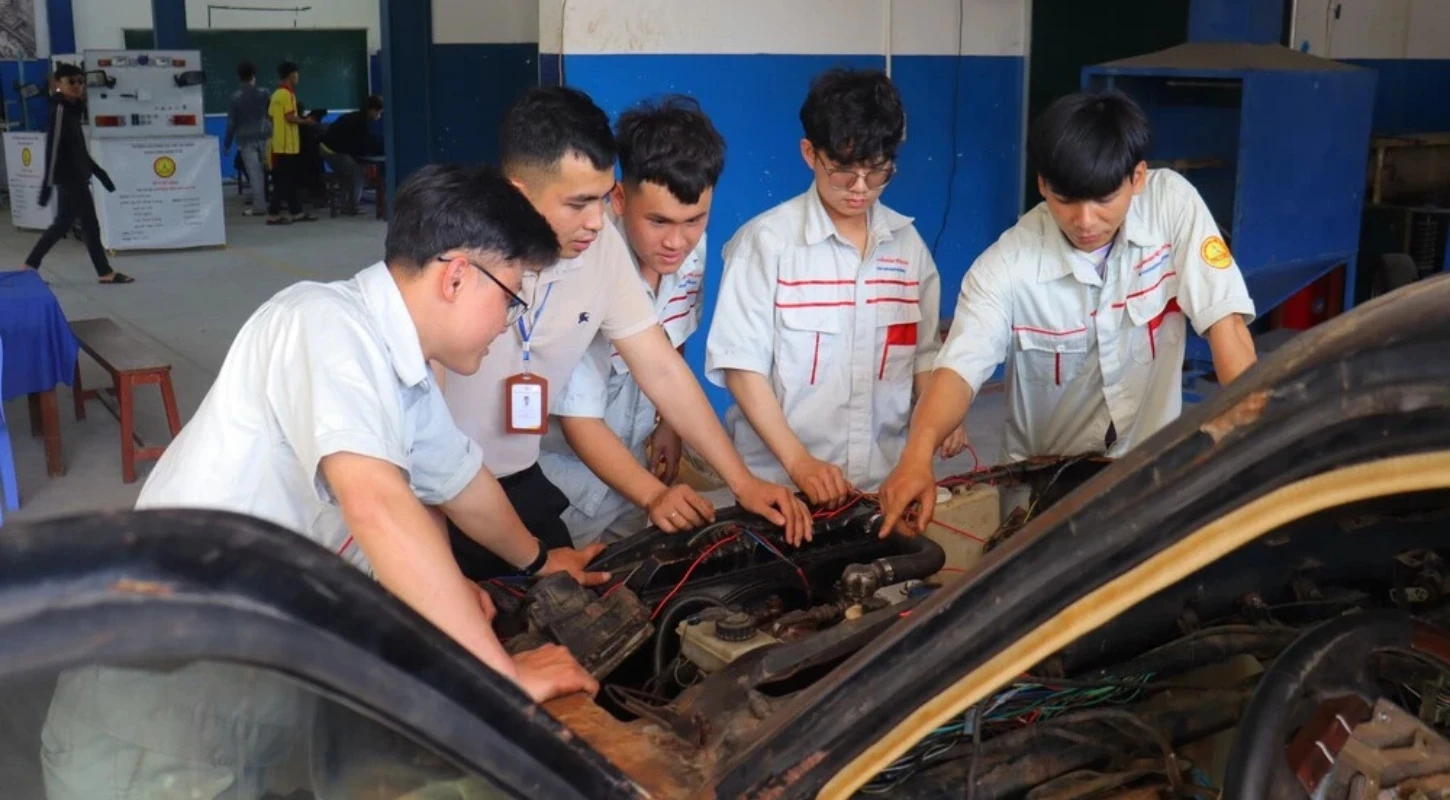
During their studies at colleges, universities, and vocational education institutions, many students wonder whether they should focus more on theoretical knowledge or practical skills to meet employers’ expectations after graduation. In reality, both theory and practice are essential and complement each other in developing professional competence.
1. Theory – The Foundation of Professional Knowledge
Theory helps students acquire fundamental knowledge, understand the nature of problems, learn underlying principles, and master professional procedures. It provides the foundation for analyzing situations, making appropriate decisions, and applying knowledge to real-world tasks.
If students simply memorize information for exams without understanding the underlying concepts, they may struggle to solve new problems in the workplace.
2. Practice – Developing Professional Skills
Practice enables students to apply what they have learned to specific situations, develop professional skills, build a professional work ethic, and improve their problem-solving abilities. Through practical classes, simulated activities, and internships, students can gain experience, identify their weaknesses, and improve their professional competence.
Students who understand theory but lack practical skills may struggle when starting their careers. Conversely, those who practice without understanding the underlying principles and procedures may find it difficult to handle unexpected situations and adapt to changes.

3. How Can Students Effectively Combine Theory and Practice?
To improve learning outcomes and prepare for future careers, students should:
Study theory actively: Understand key concepts, engage in discussions with lecturers, and connect classroom knowledge with real-life situations.
Practice regularly: Participate fully in practical sessions, follow professional procedures carefully, and learn from feedback to improve their skills.
Gain real-world experience: Participate in internships, academic projects, and relevant professional activities to better understand workplace requirements.
Develop complementary skills: Improve communication, teamwork, problem-solving, digital skills, and a sense of responsibility.
Maintain a commitment to lifelong learning: Proactively update their knowledge, enhance their skills, and adapt to changes in the labor market.
In addition to students’ own efforts, educational institutions and lecturers should connect teaching content with professional practice and create opportunities for students to take an active role in learning and applying their knowledge.
Should students focus on theory or practice? The answer is to combine both: study theory to understand, practice to perform, and gain experience to grow.
Success in education and professional life depends not only on grades or the ability to perform specific tasks, but also on professional knowledge, practical skills, work attitude, and a commitment to continuous learning.
Therefore, students should take initiative in their studies, actively develop their practical skills, and continuously improve themselves throughout their education. These efforts will help them build a solid foundation, enter the labor market with confidence, and develop successful careers in the future.