 Vietnamese
 English


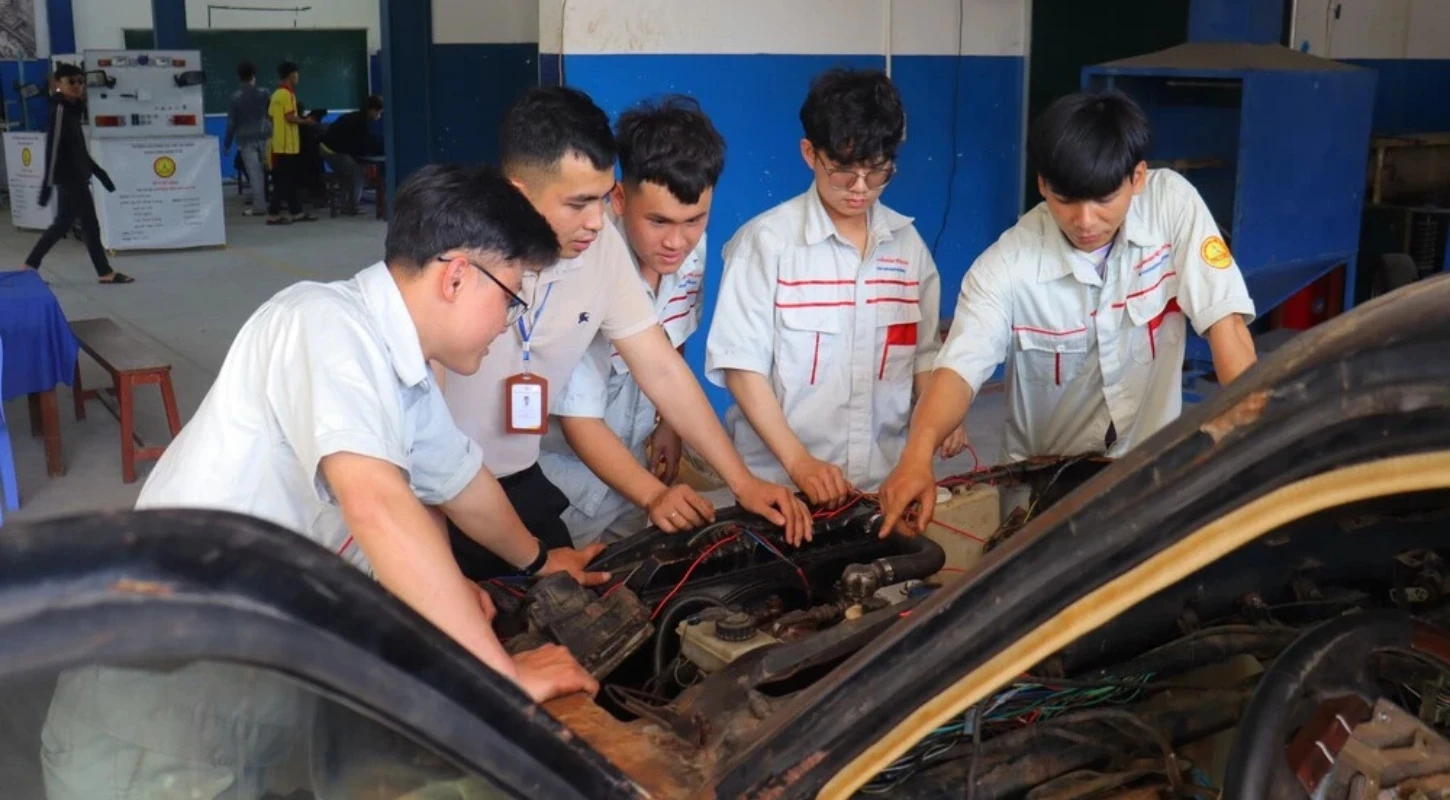

In the context of a rapidly changing labor market driven by digital transformation, artificial intelligence (AI), the green economy, and international integration, the development, standardization, and continuous updating of training programs play a particularly important role in enhancing the quality of vocational education.
This is also one of the key priorities of Dai Viet Da Nang College, which aims to ensure that students are equipped with the knowledge, skills, professional competencies, and adaptability required by the increasingly demanding labor market.
Training Programs – The Foundation for Quality Assurance
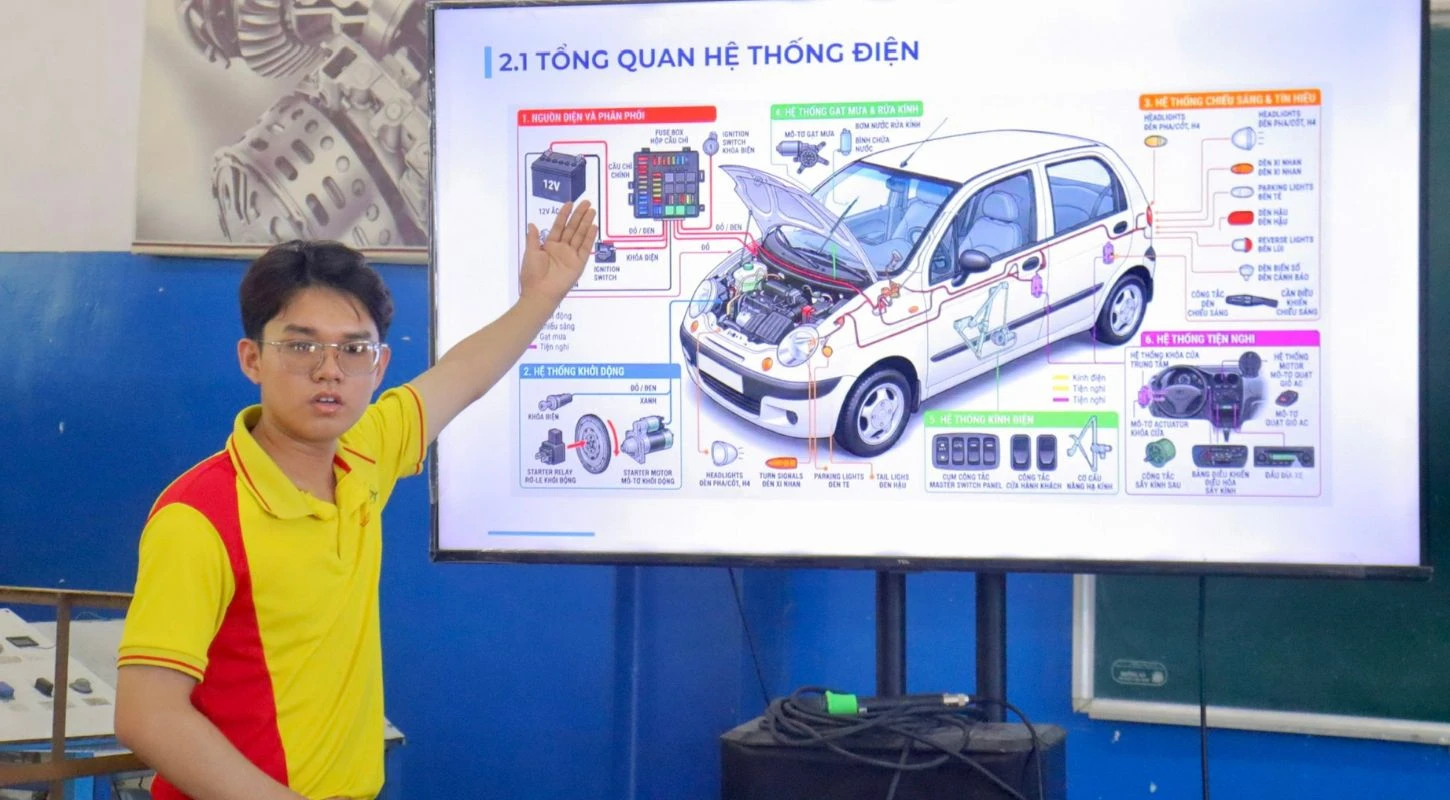
A training program is not simply a list of subjects, modules, or courses. Rather, it serves as a framework guiding the entire training process, from training objectives and learning outcomes to curriculum content, duration, teaching methods, and assessment of learning results.
A scientifically designed and standardized training program should ensure consistency among: Training Objectives → Learning Outcomes → Curriculum Content → Training Methods → Assessment → Students’ Professional Competencies
On this basis, Dai Viet Da Nang College regularly reviews and updates its training programs toward being practical, flexible, modern, and closely aligned with industry and labor market needs.
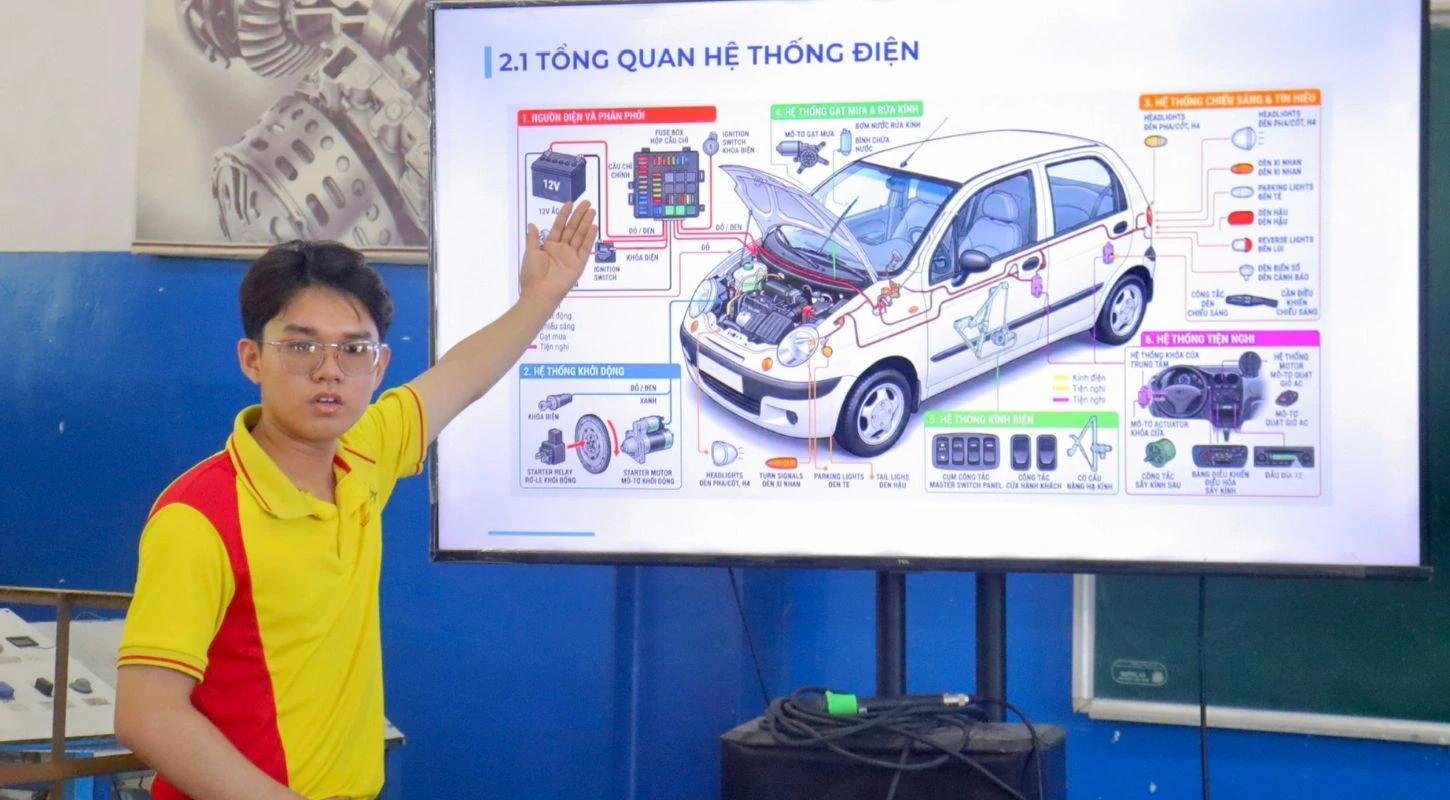
Learning Outcomes – The Core of Training Programs
One of the most important requirements in developing a training program is to clearly define the competencies that students are expected to achieve upon completion of their studies.
Learning outcomes are designed to clearly and measurably demonstrate what students are able to know, understand, perform, and apply after completing their training. Key competency areas include:
- Professional knowledge and foundational knowledge;
- Occupational and practical skills;
- Problem-solving skills in professional contexts;
- Competence in applying digital technologies and emerging technologies;
- Communication, teamwork, and workplace skills;
- Self-learning and continuous professional development;
- Professional ethics, occupational responsibility, and social responsibility.
In response to current human resource development trends, training programs are also oriented toward strengthening digital competence, foreign language proficiency, soft skills, innovative thinking, and the ability to apply AI in learning and professional activities, in accordance with the characteristics of each field.
Connecting Training Programs with Professional Practice
A quality training program should answer a fundamental question: “What do students learn, and what can they do after graduation?”
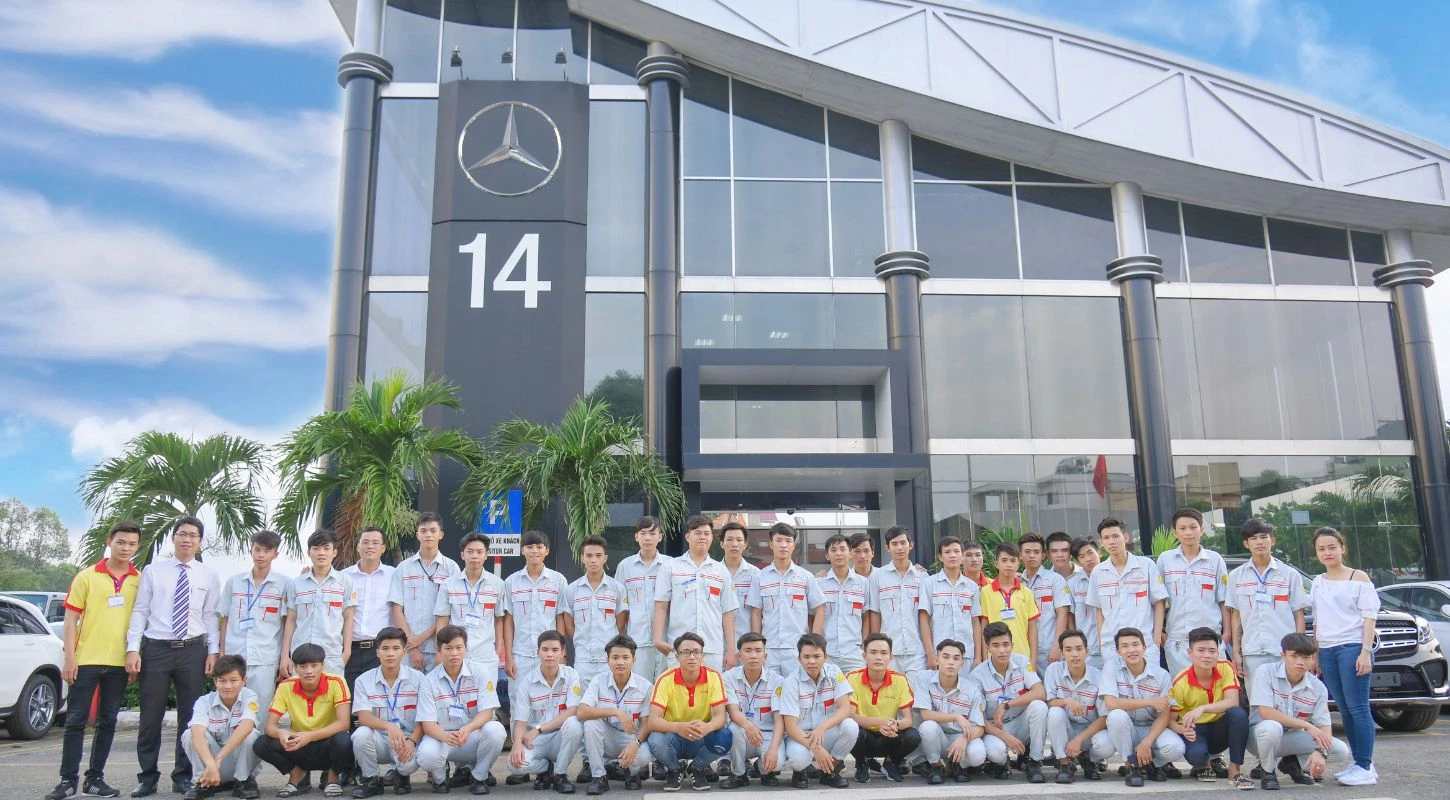
With this objective in mind, Dai Viet Da Nang College places strong emphasis on connecting its training programs with real-world production, business, and service activities. Through cooperation with enterprises and employers, the College obtains valuable information about:
- Recruitment needs and job positions;
- Knowledge, skills, and professional competencies required by employers;
- Technologies, equipment, and processes currently used in the workplace;
- Skills expected of newly graduated students;
- Development trends and emerging requirements in different occupations.
Such information provides an important basis for academic faculties and training units to review, adjust, and update curriculum content, thereby helping narrow the gap between education and labor market demand.
Strengthening Practical Training, Experiential Learning, and Workplace Learning. In vocational education, practical competence is a key component of professional competency. Therefore, training programs are designed to provide students with more opportunities for hands-on practice, field trips, enterprise visits, workplace experiences, and professional internships. These activities enable students to:
- Become familiar with real working environments;
- Apply theoretical knowledge to professional tasks and problem-solving;
- Develop professional attitudes, workplace discipline, and industrial working practices;
- Improve communication, collaboration, and teamwork skills;
- Gain exposure to technologies, equipment, and professional procedures;
- Proactively identify their career orientations after graduation.
As a result, learning is no longer limited to the classroom but is expanded into an integrated learning ecosystem connecting the College – Enterprises – Students, enabling students to transform knowledge into practical skills and professional competencies.
Updating Training Programs in Response to Emerging Technologies
The rapid development of science and technology is bringing significant changes to workforce requirements. Digital transformation, artificial intelligence, automation, big data, green technologies, and smart manufacturing are increasingly influencing almost every occupational field.
In response, training programs need to be regularly updated to avoid a mismatch between educational content and actual workplace requirements. Dai Viet Da Nang College is gradually integrating content relevant to each field, including: Digital Technologies – AI – Digital Skills – Foreign Languages – Soft Skills – Innovation – Green Transformation – Entrepreneurship – Career Adaptability.
These new components are integrated while maintaining the core knowledge and skills of each occupation, thereby providing students with additional competencies to adapt to modern working environments.
Innovating Assessment in Alignment with Learning Outcomes
Standardizing training programs must go hand in hand with innovation in assessment methods. Instead of focusing primarily on students’ ability to memorize knowledge, assessment should increasingly measure the extent to which students achieve the defined learning outcomes and their ability to perform professional tasks.
Depending on the characteristics of each subject, module, and occupational field, assessment may combine:
Knowledge assessment;
Practical skills assessment;
Assignments and learning products;
Occupational practice tasks;
Presentations and teamwork;
Simulated professional situations;
Formative and process-based assessment;
Assessment of internship performance at enterprises.
This approach allows learning outcomes to provide a more comprehensive reflection of students’ knowledge, skills, attitudes, and professional competencies.
Developing Training Programs through Continuous Improvement
The quality of a training program is not a fixed value. It needs to be continuously monitored, evaluated, reviewed, and improved. The improvement process can follow the cycle: Development → Review and Appraisal → Approval and Issuance → Implementation → Monitoring → Evaluation → Review → Updating and Improvement
Feedback from students, lecturers, alumni, enterprises, employers, and other stakeholders serves as an important source of information for identifying areas that need adjustment and improvement. Therefore, curriculum improvement is not only intended to meet management and quality assurance requirements, but also to achieve the broader goal of enhancing training quality, professional competencies, and students’ employability.
Towards a High-Quality Workforce
Standardizing training programs is one of the important solutions through which Dai Viet Da Nang College continues to enhance the quality of vocational education and respond to human resource development requirements in the new era. With the orientation: “Learning through Practice – Connecting the College with Enterprises – Linking Training with Employment,”
Dai Viet Da Nang College continues to focus on developing training programs that are modern, practical, flexible, student-centered, and closely aligned with labor market needs.
The ultimate goal of a training program is not merely to help students complete a course of study. More importantly, it is to develop professional competencies, adaptability, innovative thinking, and lifelong learning capabilities.
These competencies provide a solid foundation for students to confidently enter the labor market, develop their careers, and pursue further learning and professional development in the future.